
Comparisons
Wooden Blinds vs Zebra Blinds: Warmth, Upkeep and Cost Compared
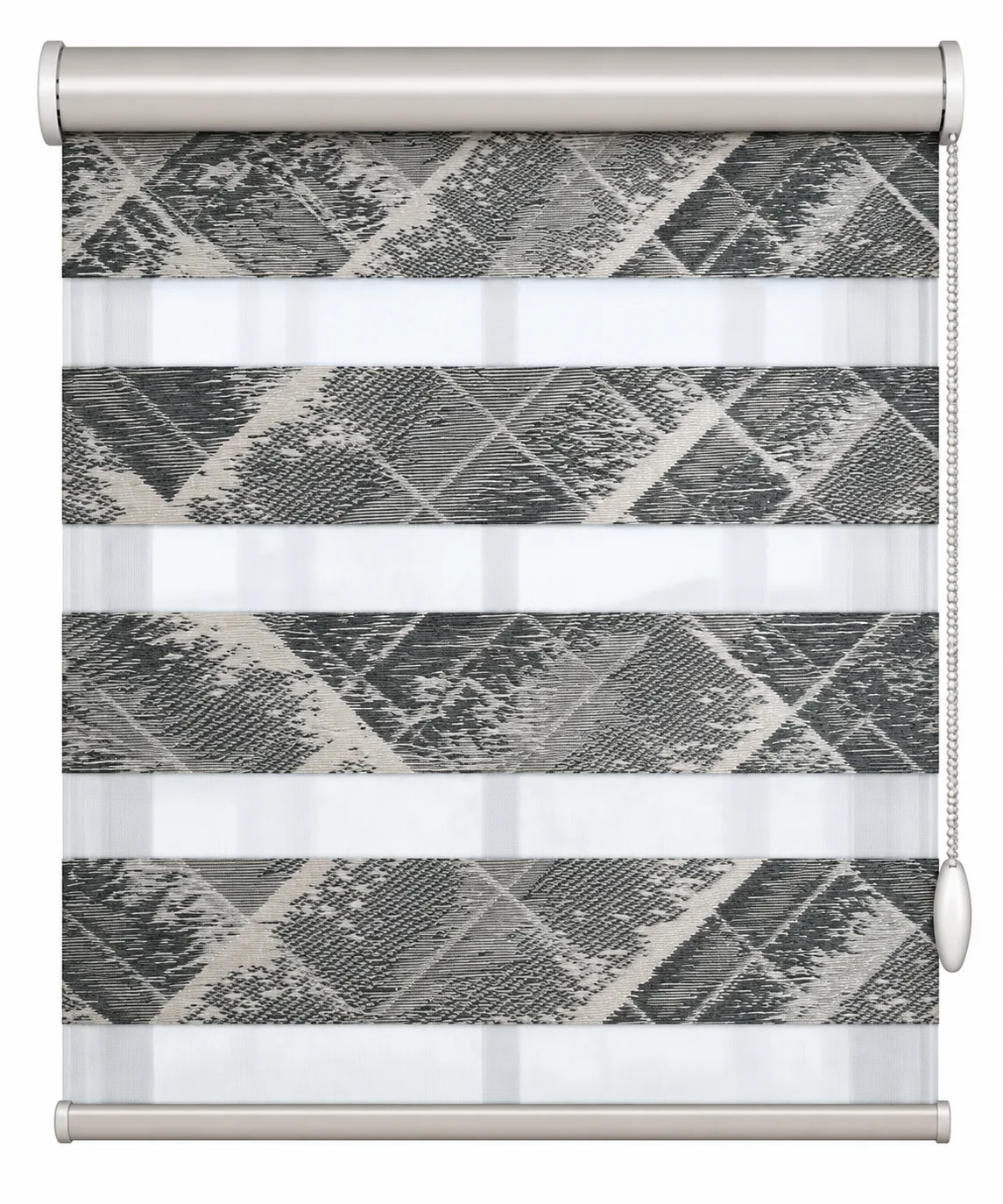
Wood brings warmth to a room. Zebra brings flexibility to the light.
Wooden blinds and zebra blinds are both chosen by people who want more than a plain roller. Wooden venetians bring natural warmth and a classic look; zebra blinds bring layered texture and day-to-night light control. Here is a practical comparison for Indian homes.
How each controls light
Wooden blinds use tilting slats, usually 35 or 50 mm wide. You angle the slats to direct light or close them for privacy.
Zebra blinds use alternating sheer and solid bands. Sliding the fabric lines bands up to let light in or block it. Browse zebra blinds.
Both give adjustable control without fully raising the blind. Wood gives sharper angle control; zebra gives softer, more diffused light.
Look and feel
Wood looks rich, natural and substantial. It suits traditional, colonial and warm contemporary interiors, studies and libraries. Zebra blinds look modern and refined, with a neat cassette. They suit apartments, living rooms and bedrooms with contemporary furniture.
Humidity and Indian climate
Real wood reacts to humidity. In monsoon and in kitchens or bathrooms, slats can warp, crack or swell. Faux-wood (PVC composite) resists moisture better. Zebra fabric is unaffected by normal humidity and suits most rooms. Read monsoon-proofing your windows.
Dust and cleaning
Each wooden slat collects dust and needs individual wiping. Zebra blinds have two fabric layers but no slats; a soft vacuum brush handles regular dusting. In Delhi NCR’s dust, zebra blinds are noticeably easier to keep clean. See how to clean zebra blinds.
Weight and size
Wooden blinds are heavy. Very wide wooden blinds become hard to lift and need strong brackets. Zebra blinds are light and can cover wider windows easily, and they motorise smoothly.
Privacy and darkness
Closed wooden slats give good privacy but leak light at slat edges and cord holes. Zebra blinds with solid bands closed give good privacy but also let some light through. Neither is a true blackout; for bedrooms that need darkness, a blackout roller is better.
Durability
- Wood: long-lasting if kept dry; ladder tapes and cords may need replacement over time.
- Zebra: fabric and mechanism are durable; avoid pulling the fabric by hand.
Cost
Real wooden blinds are generally among the more expensive blind types. Zebra blinds at BlindsBazaar cost ₹120–₹190 per sq ft, GST included, with a 3-year warranty on fabric, mechanism and motor. For a 5×5 ft window (25 sq ft), that is roughly ₹3,000–₹4,750.
Which room suits which?
- Study or library: wood for warmth and character.
- Living room: zebra for flexible light and easy upkeep.
- Bedroom: zebra for daytime; blackout roller if darkness matters.
- Kitchen or bathroom: neither real wood nor zebra — choose a moisture-resistant roller.
Getting a wood look without wood
If you love the warmth of wood but want easy care, choose a zebra or roller fabric in warm wood-like tones — walnut, teak or oak browns — or a textured fabric with natural character. Our guide on buying wooden blinds online covers real wood options in detail.
Quick decision checklist
- Room humid or near a kitchen? Avoid real wood.
- Dusty location? Zebra is easier.
- Wide window? Zebra is lighter.
- Want a classic, natural statement? Wood.
Living with each, day to day
Wooden blinds reward people who enjoy looking after their home — a weekly dust and the occasional polish keep them beautiful for many years. Zebra blinds suit busy households: a quick vacuum, simple operation and no worries in monsoon. Think honestly about which describes your home before deciding.
FAQs
Do wooden blinds suit Indian homes?
Yes, in dry, well-ventilated rooms such as studies and living rooms. Keep them out of kitchens and bathrooms.
Are zebra blinds cheaper than wooden blinds?
Usually, yes — and they are lighter, easier to motorise and easier to clean.
Not sure of your sizes?
Read our measuring guide or try the AR self-measure tool to get exact numbers.