
Room Guides
Study Room Blinds for Students: Better Focus, Less Eye Strain
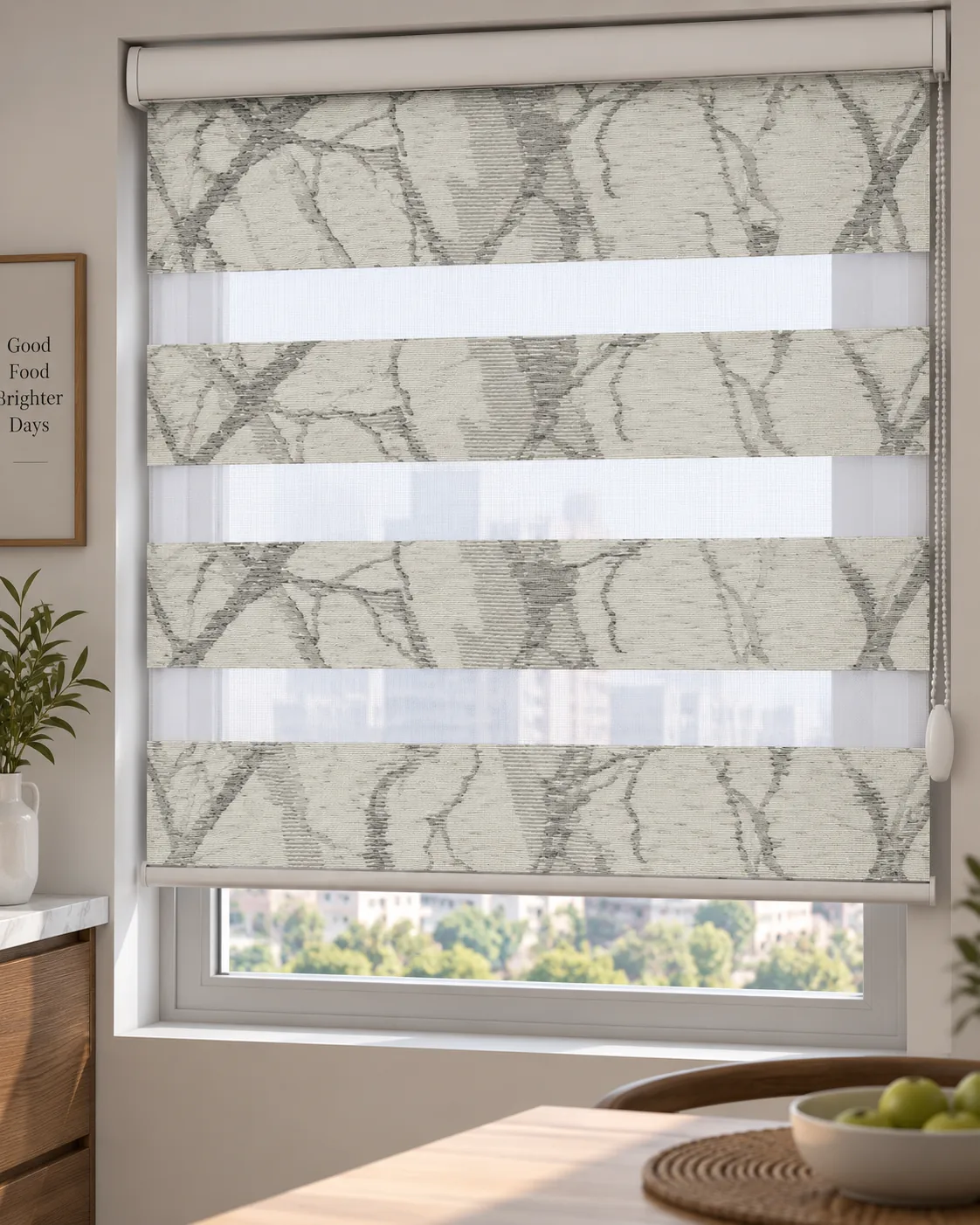
Exam season is long. The light in the study room should not be one more thing fighting the student.
In many Indian homes the study room is also a bedroom, a video-class studio and sometimes a guest room. Students spend long hours there, often at a desk by the window, and the light changes from harsh afternoon sun to late-night lamp light. The right blinds make a surprising difference to comfort and focus.
What a study room actually needs
- Even daylight on the desk without direct sun on books or the screen.
- No glare on laptops and tablets during online classes.
- Darkness for sleep if the student sleeps in the same room.
- Privacy for video calls and evening study.
- Safe, simple controls that younger students can use.
Best blind options
Light-filtering roller blinds
A translucent or sunscreen roller blind softens sunlight evenly across the room. It keeps the space bright enough to stay alert without hot spots on the desk. This is the best single choice for a dedicated study.
Zebra blinds
If the room gets strong sun at certain hours, zebra blinds let the student switch from soft light to solid bands without fully lowering the blind — a quick adjustment between classes.
Blackout roller for a study-bedroom
Teenagers often study late and need to sleep in. If the study is also the bedroom, a blackout roller gives proper darkness. Some families pair a blackout roller with a sheer curtain for daytime softness.
Desk and window placement tips
- Place the desk with the window to the side, not behind the screen.
- For right-handed students, light from the left avoids hand shadows on paper.
- Use a warm desk lamp in the evening and keep the blind closed to avoid reflections.
Online classes and video calls
Soft side light from a filtered window makes the student clearly visible on camera. A bright window behind them turns them into a silhouette. A neutral-coloured blind also makes a cleaner background than a cluttered window. More in our home office glare guide.
Safety for younger children
Choose cordless or motorised blinds, or fix the chain with a wall tensioner so it cannot form a loose loop. Our kids room blinds guide covers sizes and safety in detail.
Colours that support focus
Calm, low-contrast colours — soft grey, sage, beige, light blue — keep the room restful. Very bright or heavily patterned fabric can be distracting at eye level next to a desk.
Budget
A single 4×4 ft study window (16 sq ft):
- Roller (translucent or sunscreen): about ₹1,600–₹2,100
- Roller (blackout): typically toward the upper part of the roller range
- Zebra: about ₹1,900–₹3,000
Prices include GST, made to measure. Small windows are billed at the 10 sq ft minimum per blind. See the full price guide.
A simple exam-season setup
- Fit a light-filtering roller so daytime study happens in natural, even light.
- Add a warm desk lamp for evenings, positioned to the side opposite the writing hand.
- Lower the blind at sunset to stop the window reflecting the screen and lamp.
- If the student sleeps late after night study, add a blackout layer or choose a dual system.
Small changes in light make long study days less tiring — and they cost far less than a new desk or chair.
Small window, quiet room
Study rooms are often the smallest room with the smallest window. Remember that made-to-measure blinds are billed on a 10 sq ft minimum per blind, so a tiny window costs about the same as a 3×3 ft one — worth knowing when you compare prices.
FAQs
Is blackout good for a study room?
Only if the student also sleeps there. For a dedicated study, light-filtering is better — complete darkness by day makes it harder to stay alert.
Which blind is easiest for a child to use?
A roller blind with a secured chain or a motorised blind with a simple remote.
Not sure of your sizes?
Read our measuring guide or try the AR self-measure tool to get exact numbers.