
Design Ideas
Drawing Room Blinds: Ideas for a Formal Room That Gets Used Every Day
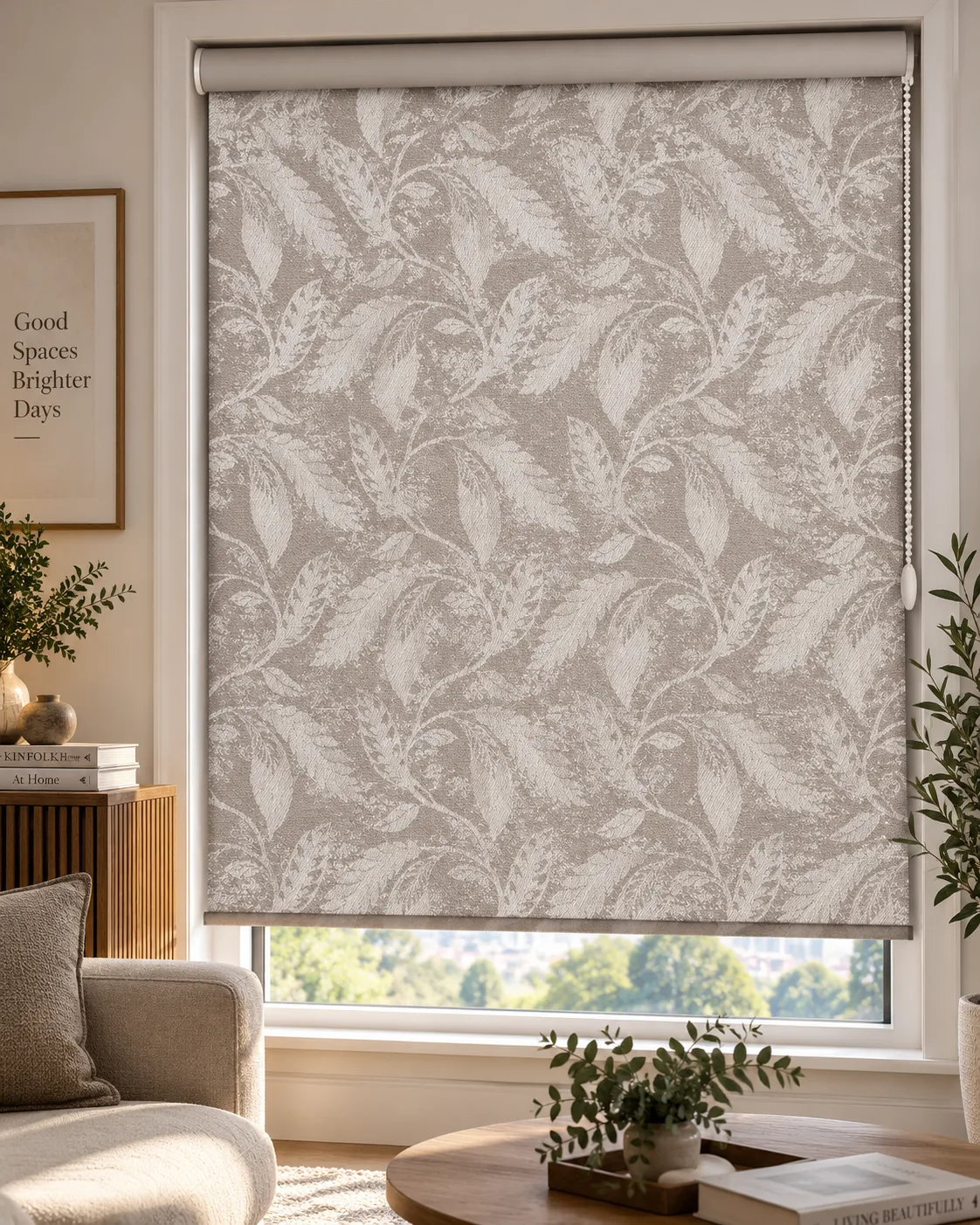
The drawing room is the face of the house — but in most Indian homes it is also where the TV lives.
In many Indian homes, the drawing room is where guests are welcomed — but it is also where the family watches TV, the children do homework and afternoon chai happens. The windows need to look elegant, control strong sunlight, stop TV glare and give privacy from the street or neighbouring buildings. Here are ideas that balance all of it.
1. Start with function: light, glare and privacy
- Afternoon sun: west or south windows need a fabric that cuts heat and glare.
- TV glare: a window opposite or beside the TV needs a denser fabric or adjustable control.
- Street privacy: ground-floor and builder-floor drawing rooms need privacy at night.
2. Zebra blinds for a polished, flexible look
Zebra blinds are popular in drawing rooms because they look tailored and layered. Slide the bands to see-through for daytime and solid for evening TV or privacy. A cassette headrail hides the mechanism neatly.
3. Layer blinds with formal curtains
Many families love heavy drapes in the drawing room. Keep them — but let a slim roller or zebra blind inside the frame do the daily light control, while curtains stay open as a frame. The room looks richer, and curtains last longer because they are not handled every day.
4. Pick colours that suit wood and warm lighting
Indian drawing rooms often have wooden furniture and warm lights. Beige, champagne, taupe, warm grey and soft gold fabrics blend in. For a contemporary look, try a stone grey or charcoal zebra against light walls. Our colour guide shows combinations.
5. Control TV glare without darkening the room
A sunscreen roller with low openness keeps the room bright but removes reflections from the screen. If the TV faces the window directly, consider a dim-out or blackout roller just for that window.
6. Line up multiple windows
When the room has two or three windows, use the same fabric and the same mount height on all of them. Matching bottom rails make the room look calm and expensive.
7. Consider motorisation for big or high windows
Large picture windows or windows behind a big sofa are easier with a remote. Motorisation adds roughly ₹3,000–₹6,500 per window.
Cost examples
For a drawing room with two 5×5 ft windows (50 sq ft):
- Roller, standard fabric: roughly ₹5,000–₹6,500
- Zebra, mid-range: roughly ₹6,000–₹9,500
All prices include GST, made to measure, with a 3-year warranty. See the price guide and living room blinds.
Common mistakes
- Choosing very sheer fabric for a street-facing room — no privacy at night.
- Different fabrics on each window — looks unplanned.
- Ignoring the TV wall when deciding fabric density.
- Measuring once for all windows — measure each separately.
Matching blinds to your drawing room style
- Traditional, wooden furniture: warm beige or champagne zebra with a cassette, layered under silk or velvet drapes.
- Contemporary: grey or charcoal sunscreen roller, ceiling-mounted, no curtains.
- Minimal and bright: ivory light-filtering roller that disappears when raised.
- Eclectic: a textured, linen-look roller in an earthy tone to tie together mixed furniture.
Getting the height right
Mounting blinds just below the ceiling or the cornice — rather than directly on top of the window frame — makes the drawing room look taller and the windows grander. With an outside mount, add 5–10 cm on each side so the blind covers the frame completely and blocks light leaks around the edges.
FAQs
Roller or zebra for a drawing room?
Zebra if you want adjustable light and a more decorative look; roller if you want the cleanest, most minimal finish. Compare them in zebra vs roller.
Can blinds make a drawing room look bigger?
Yes — light colours mounted high and wide, close to the ceiling, make windows and walls feel taller.
Not sure of your sizes?
Read our measuring guide or try the AR self-measure tool to get exact numbers.