
Seasonal Guides
Delhi Smog Season and Your Windows: What Blinds Can and Cannot Do
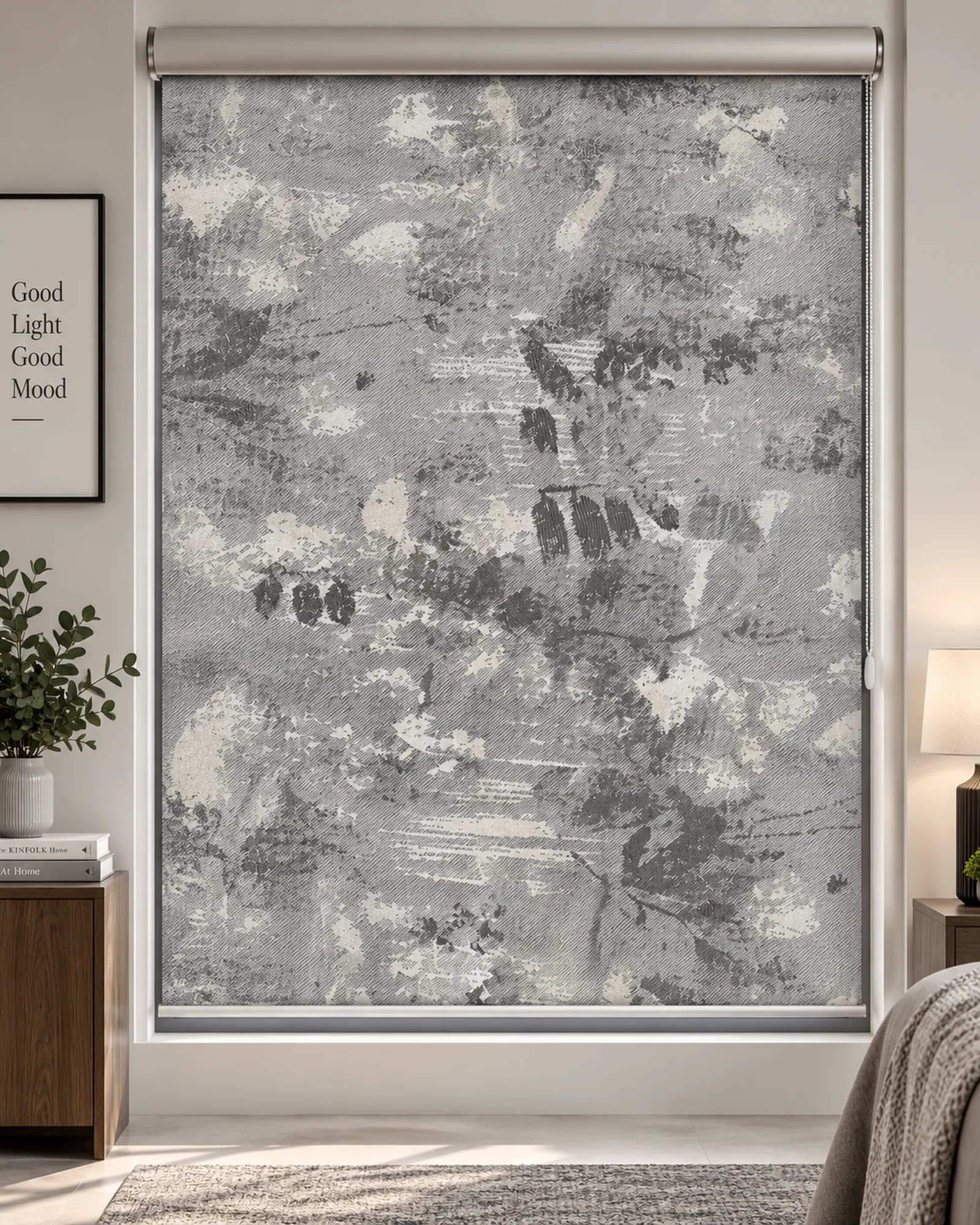
Blinds keep out the sun, not the smog. Be suspicious of anyone who says otherwise.
Every November and December, air quality across Delhi NCR drops sharply. People keep windows shut, buy purifiers and look for anything that helps. You may see claims that certain blinds "reduce pollution". It is worth being clear: blinds are window coverings, not air filters. Here is what they can and cannot do — and practical steps that genuinely help.
What blinds cannot do
- They do not filter air. Fine particles (PM2.5) pass around and through any blind fabric.
- They do not seal windows. Gaps in window frames let polluted air in regardless of blinds.
- They do not replace a purifier or closed windows on bad days.
What blinds can help with
Less dust settling deep in the room
When windows are opened briefly for ventilation, a lowered blind catches some coarse dust before it reaches furniture — though the blind itself then needs cleaning.
Winter warmth
Smog season overlaps with winter. Blinds help hold heat in at night, so you are less tempted to open windows. Read winter blinds in Delhi.
Privacy and light while windows stay shut
With windows closed for weeks, blinds let you manage light, glare and privacy comfortably.
Window habits that actually help
- Check AQI daily and keep windows closed during the worst hours, usually late night and early morning.
- Ventilate briefly when AQI is relatively better, often in the afternoon, then close again.
- Run a purifier in bedrooms and the main living area.
- Seal obvious gaps in window frames with weather strips.
- Use kitchen exhausts so cooking smoke does not add to indoor pollution.
Keeping blinds clean in smog season
Fine dust and soot settle on fabrics faster in these weeks. Dust blinds weekly with a soft vacuum brush rather than waiting for a visible layer. Dab marks gently; never rub soot into fabric. Read cleaning soot from blinds.
Fabric choices that cope better
- Smooth, tightly woven fabrics release dust more easily than deep textures.
- Mid-tone colours hide grey film better than pure white.
- Flat roller and zebra blinds are much easier to dust than slats or pleats.
What about "anti-pollution" fabrics?
Some fabrics have dust-repellent or antibacterial finishes. These can make cleaning easier, but they do not purify the air in your room. Be cautious of claims that any blind improves indoor air quality.
Making closed-window weeks comfortable
- Use light-filtering roller or zebra blinds to keep rooms bright during grey days.
- Raise blinds fully when sun breaks through to warm rooms naturally.
- Keep bedrooms dark at night with blackout blinds for better sleep.
Health first
For health concerns related to air pollution, follow medical and government advisories. Window coverings are about comfort, light and privacy — not protection from pollution.
A smog-season checklist
- Windows closed on high AQI days.
- Purifiers running in key rooms.
- Weekly dusting of blinds and sills.
- Brief ventilation when AQI improves.
- Gaps in frames sealed.
When the air clears
Once AQI improves in late winter, give blinds a thorough dusting and spot clean, and wash window glass. Opening windows again on clean-air days lets rooms air out, and freshly cleaned blinds stop the season’s dust from drifting back into the room each time they move.
Choosing blinds during smog season
If you are buying blinds now, prioritise smooth, easy-dust fabrics and mid-tone colours. They will look better through every winter that follows, not only this one, and need less frequent cleaning.
FAQs
Do blackout blinds block pollution?
No. They block light, not airborne particles.
Should I keep blinds closed during smog?
It does not change air quality. Keep windows closed and use blinds for light and privacy as usual.
Not sure of your sizes?
Read our measuring guide or try the AR self-measure tool to get exact numbers.