
Explainers
Cassette vs Open Roller Blinds: Is the Covered Headrail Worth It?
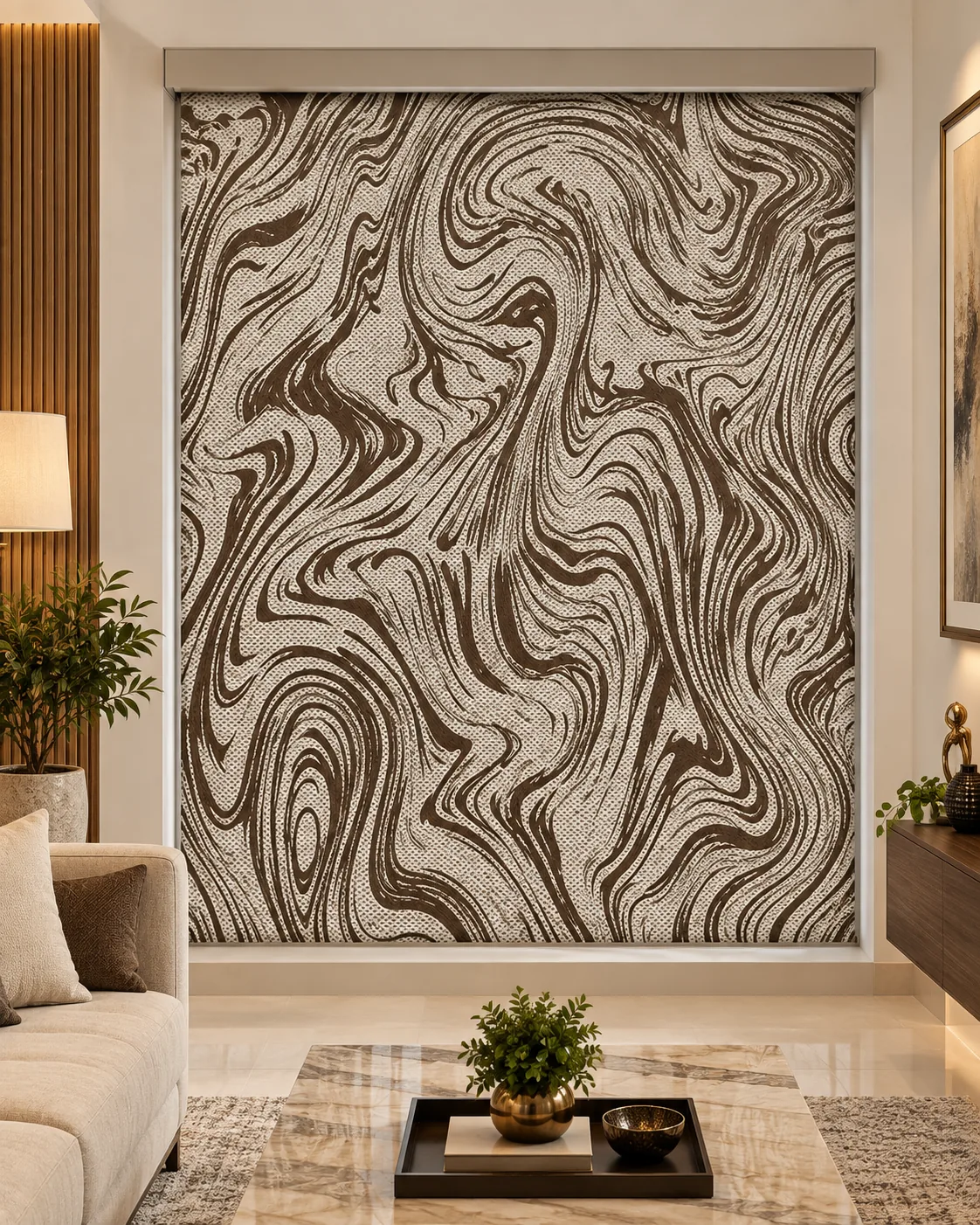
A cassette is the difference between a blind that looks installed and one that looks built in.
Roller blinds come in two basic styles at the top: open roll, where you see the fabric wrapped around the tube, and cassette, where a slim box (cassette or headrail cover) hides the roll. Both work the same way. The differences are in looks, light control, dust and cost.
What is an open roller blind?
The fabric rolls around an exposed tube held by two brackets. It is the simplest, most economical setup and is common in bedrooms, kitchens and offices.
What is a cassette roller blind?
The tube and rolled fabric sit inside a profile, usually aluminium, with end caps. The fabric drops from a slot at the bottom or front. Many zebra blinds come with a cassette as standard.
Appearance
A cassette gives a clean, finished, built-in look. It hides the fabric roll, brackets and screws. Open rollers look minimal but more utilitarian. In living rooms and master bedrooms, cassettes often look more premium.
Light gaps at the top
With an open roll, light can leak above and around the roll. A cassette covers that area, reducing light at the top. For bedrooms where darkness matters, a cassette helps — especially with outside mount. Read how to make a bedroom dark.
Dust
An exposed roll collects dust on its top surface, which can transfer to the fabric when rolled. A cassette keeps the roll protected, and the flat top is easy to wipe. In dusty Delhi NCR homes, that is a practical bonus.
Mounting
Both can be inside or outside mounted. Cassettes need slightly more depth for inside mount, and they are heavier. Open rollers fit into shallower recesses more easily. Read inside vs outside mount.
Front roll vs back roll
With open rollers, you choose whether fabric hangs from the front or back of the roll, which affects how close it sits to the glass. Cassettes control this automatically. See front vs back roll.
Cost
Cassettes add a modest cost for the profile and fittings. Basic roller blinds at BlindsBazaar start at ₹100 per sq ft (most fabrics ₹100–₹130), GST included. Ask for cassette options when ordering if you want the covered look.
When a cassette is worth it
- Living rooms and master bedrooms where looks matter.
- Bedrooms needing extra darkness at the top.
- Dusty rooms facing main roads.
- Outside-mounted blinds visible from across the room.
When open roll is fine
- Inside-mounted blinds in deep recesses, where the roll is barely visible.
- Kitchens, bathrooms, utility areas.
- Budget projects or rental flats.
Matching cassettes to interiors
Cassettes come in finishes like white, ivory, grey, black and metallic. White or ivory blends with most walls; black or grey suits modern interiors and dark window frames.
A practical rule of thumb
If you will see the top of the blind from where you usually sit or lie, choose a cassette. If the roll sits deep inside the window recess, or the room is purely functional, an open roller is perfectly good. Many homes use cassettes in the living room and master bedroom, and open rollers everywhere else, which keeps the budget sensible while the most-seen rooms get the finished look.
Maintenance
Cassettes need a quick wipe of the profile every few weeks. If a cassette blind ever needs adjustment or a fabric change, the end caps come off so the tube can be removed — another reason to have it installed by someone who leaves the screws accessible.
FAQs
Does a cassette make a blind fully blackout?
It reduces top light leaks, but side gaps also matter. Combine with good fit.
Can I add a cassette later?
Usually it is easier to order the blind with a cassette from the start.
Not sure of your sizes?
Read our measuring guide or try the AR self-measure tool to get exact numbers.