
Buying Guides
How to Make a Bedroom Actually Dark: The Complete Guide
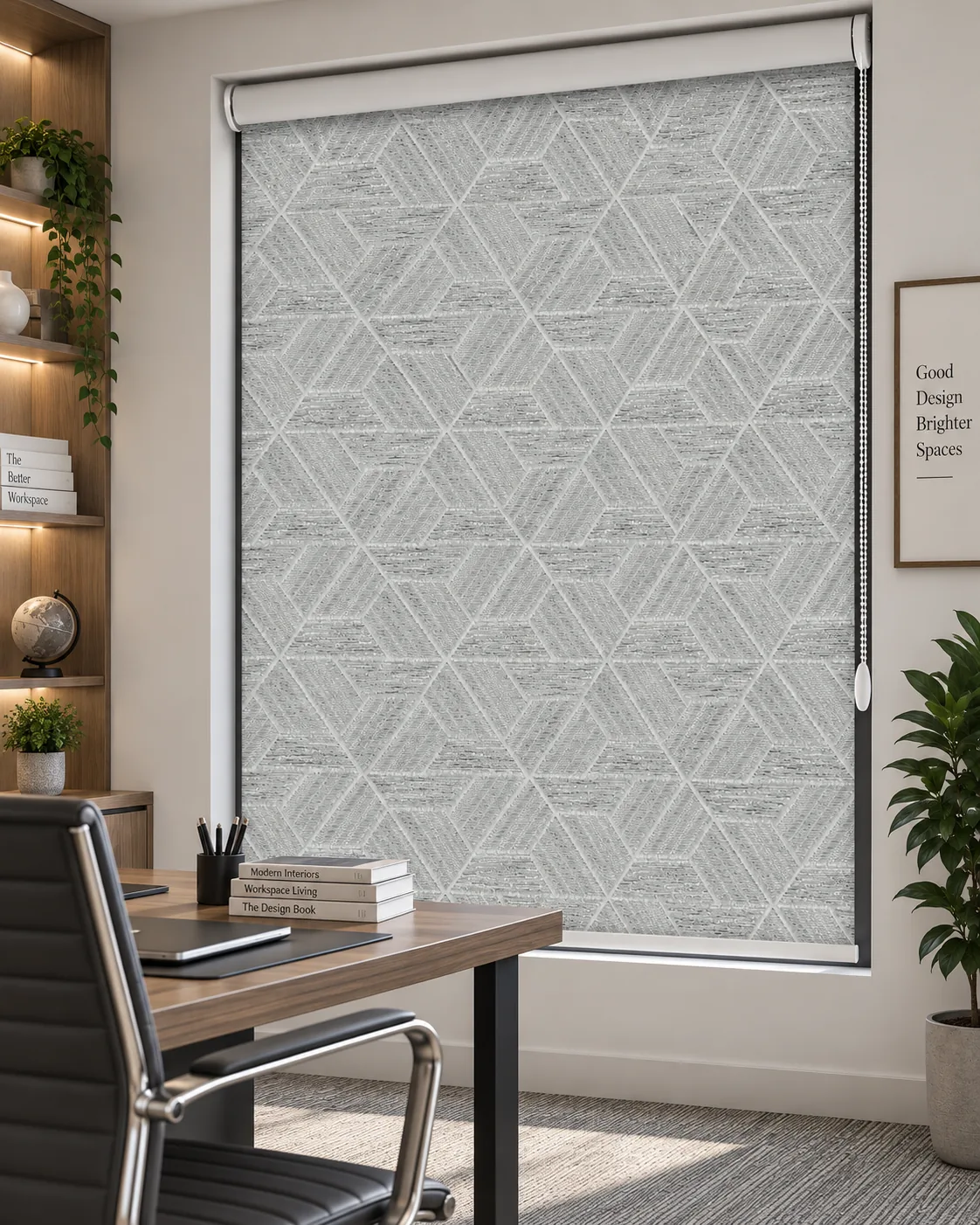
Blackout is a fabric. Darkness is a system.
Every "the blackout blinds did not work" complaint traces back to the same four gaps. The fabric was never the problem — the light walking around it was. Here is the complete system, in the order it should be bought.
Where bedroom light actually enters
- Around the sides — 5–15 mm of daylight at each edge is amplified by streetlights and June sunrises
- Over the top — the roll and bracket gap, most visible in bed, because you are looking up
- Under the bottom — sill light, worst on west windows at night
- Through the fabric itself — the only gap blackout fabric solves alone
The system, cheapest first
- Blackout fabric (from ₹130/sq ft) — closes the glass
- Outside mount with overlap — 3 inches past each side, 4 inches above; the highest-value single upgrade, chosen at configuration
- Side channels — physical edge barriers where a streetlight sits low; specified per window on the roller page
- The bottom — extend the drop 1–2 inches past the sill, or add a light-blocking sill piece on stubborn windows
Darkness for specific sleepers
- Street-facing bedroom: blackout + overlap + side channels where the light source is visible from the pillow
- Night-shift sleep: the full stack, plus the quiet second consideration — smooth roller mechanisms run near-silent, which matters at 10 am
- Kids and naps: overlap is worth more than fabric grade — see the kids room guide
- Light sleepers who still want mornings: outside mount cuts light but a double blind or two-stage setup (first position light, second dark) may be the honest answer — talk through the window, and we will say so
What the system costs
A complete dark-bedroom roller at a standard 4×5 ft window: roughly ₹2,600–₹3,200 in blackout fabric (from ₹130/sq ft, 10 sq ft minimum, GST included), plus side-channel hardware if the window needs it — the configurator shows every line before checkout, and the price guide carries the wider ranges. Bring the night-time light situation to Block E, Mangolpuri or start with the AR tool — measuring for overlap is easier while standing at the window with the tool you already have.
Not sure of your sizes?
Read our measuring guide or try the AR self-measure tool to get exact numbers.