
Explainers
Pleated Blinds Explained: How They Work and Who Should Buy Them
Pleated blinds solve awkward windows. For ordinary ones, there are simpler answers.
Pleated blinds are made from a single piece of fabric folded into crisp, permanent pleats, like a paper fan. When raised, they compress into a very small stack. You often see them on conservatories, skylights and unusual window shapes in Europe. Here is how they work and whether they make sense in an Indian home.
How pleated blinds work
The fabric is heat-set into sharp folds. Cords run through small holes in each pleat. When you raise the blind, the pleats collapse neatly; when lowered, they open into a zig-zag surface. Many pleated blinds can also be operated top-down, bottom-up, or both.
Where pleated blinds excel
- Awkward shapes: triangular, angled and some arched windows.
- Tilted and roof windows: they can be tensioned along side guides so they stay in place at an angle.
- Small stack height: they take up very little space at the top when raised.
- Top-down option: privacy at the bottom with light at the top.
The downsides
- Dust: every fold is a ledge for dust — hard work in Delhi NCR.
- Cord holes: small pinholes let light through, so they are not fully blackout (unless you choose a cellular honeycomb version).
- Durability: pleats can lose their crispness over years of sun and handling.
- Cords: more cords mean more maintenance and child-safety attention.
Pleated vs honeycomb blinds
Honeycomb (cellular) blinds are a double-layered version of pleated blinds, with air pockets that add insulation and hide cord holes. Read our guide to honeycomb blinds in India.
Pleated vs roller blinds
For ordinary rectangular windows, a roller blind is simpler, cleaner and easier to maintain. It offers more fabric choices — sunscreen, translucent and true blackout — and has fewer cords. Rollers can also be fitted with side channels for tilted windows in some cases.
Pleated vs zebra blinds
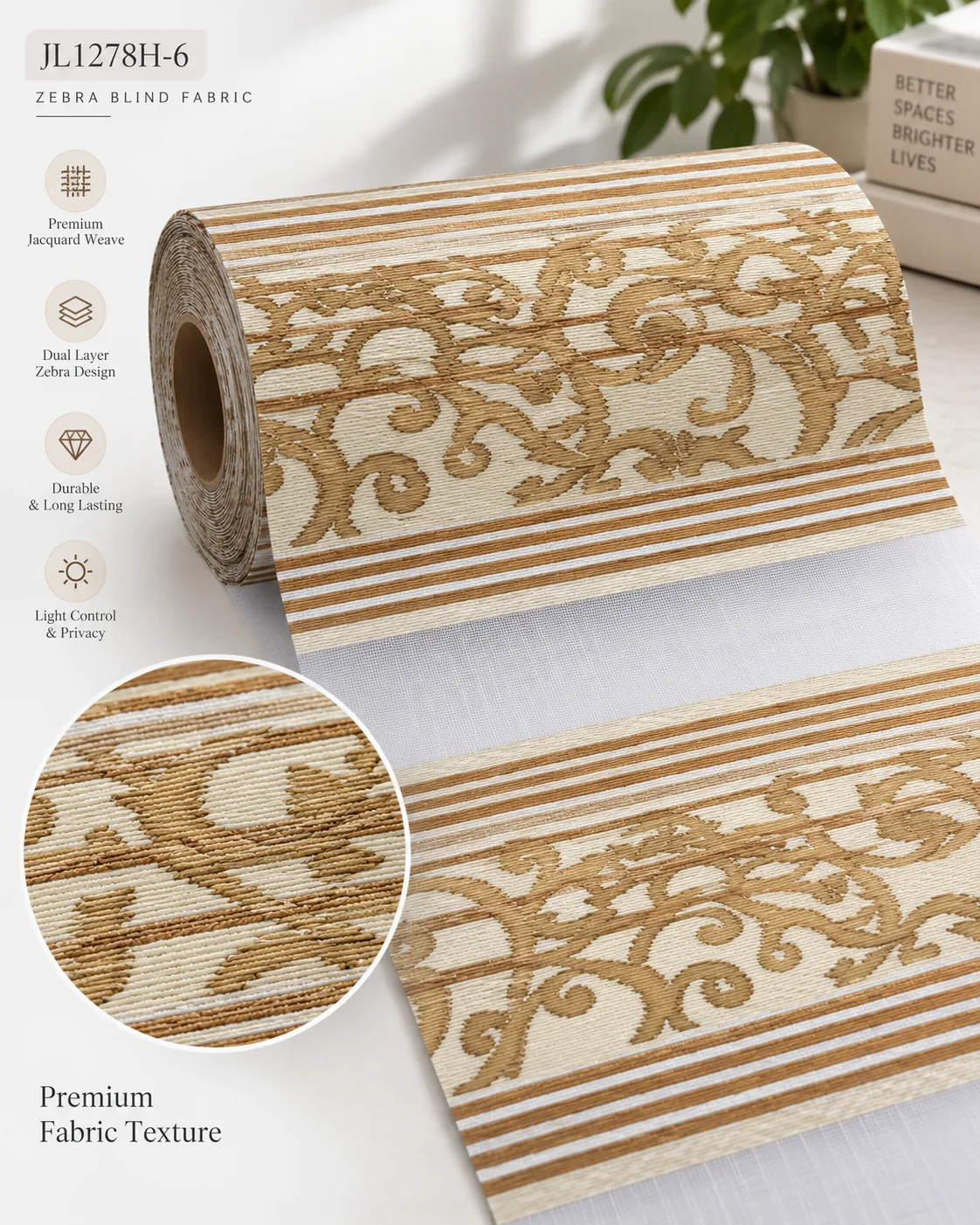
If you like the textured, layered look of pleated blinds, zebra blinds give depth through alternating sheer and solid bands — and they adjust light without raising the blind, while staying easy to clean.
Who should consider pleated blinds?
- Homes with skylights or sloped roof windows.
- Unusual window shapes where a roller cannot fit.
- Rooms needing top-down privacy, like a ground-floor bathroom facing a lane.
Who should choose something else?
- Dusty areas and busy households — choose roller.
- Bedrooms needing darkness — choose blackout roller.
- Living rooms needing flexible light — choose zebra.
Our overview of all types of blinds compares every option side by side.
Budget perspective
Pleated systems with side tensioning are specialised and often cost more than a standard roller. For standard windows, made-to-measure rollers start at ₹100 per sq ft and zebras at ₹120, GST included. See the price guide.
Quick comparison
- Pleated: best for unusual and tilted windows; dust-prone; light leaks through cord holes.
- Honeycomb: pleated look with insulation and better darkness; premium price.
- Roller: best all-rounder for standard windows; easiest to clean.
- Zebra: textured look plus adjustable light; easy upkeep.
If your home has mostly standard rectangular windows, a roller or zebra blind will usually serve you better day to day, and you can reserve pleated systems for the one awkward window that needs them.
Care tips if you choose pleated blinds
- Dust weekly with a soft brush, moving along the folds rather than across them.
- Raise the blind fully now and then so the pleats keep their memory.
- Avoid hanging anything on the bottom rail.
- Keep cords secured with a cleat or tensioner where children play.
FAQs
Are pleated blinds blackout?
Standard pleated blinds leak light through cord holes. Blackout honeycomb versions perform better.
How do I clean pleated blinds?
Vacuum gently with a soft brush on low suction. Avoid soaking — it can flatten the pleats.
Not sure of your sizes?
Read our measuring guide or try the AR self-measure tool to get exact numbers.