
Design Ideas
Japandi Style Blinds: Calm, Natural and Minimal Windows
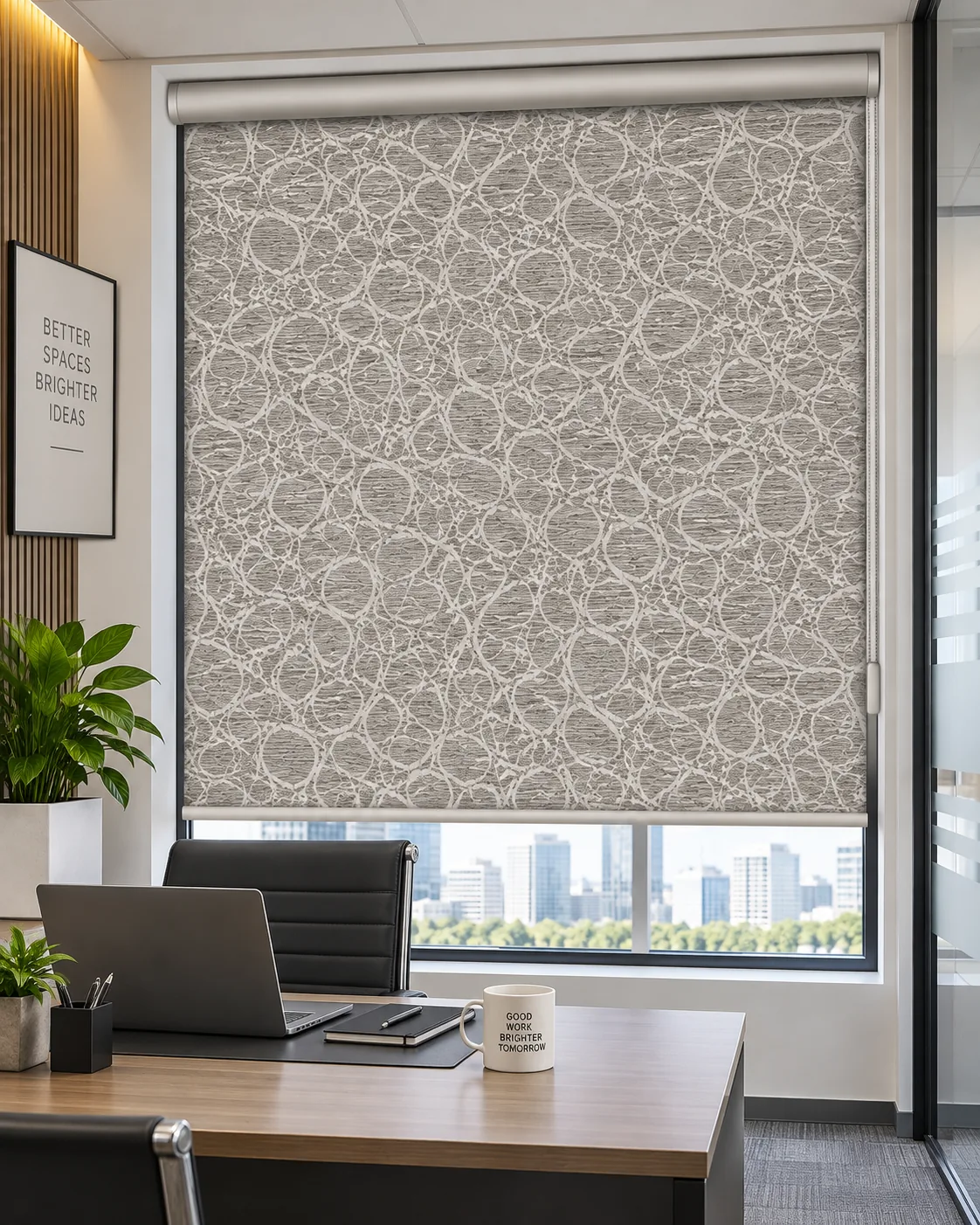
Japandi is not about owning less. It is about every object, including the window, earning its place.
Japandi — a blend of Japanese minimalism and Scandinavian warmth — has become one of the most popular interior styles in new Indian homes. It is calm, natural and uncluttered, with warm woods, muted colours and handcrafted textures. Window treatments play a big role: they shape the light that makes Japandi rooms feel serene.
Japandi principles for windows
- Simplicity: clean lines, no fussy details.
- Natural light: soft, diffused daylight rather than harsh sun or darkness.
- Natural textures: linen, cotton, paper, wood.
- Muted colours: warm whites, beige, stone, clay, soft grey, muted green.
- Function: every element has a purpose.
The best blind choices for Japandi
Light-filtering textured roller blinds
A linen-look or textured roller blind in oatmeal, flax or warm white is perfectly Japandi: flat, simple and softly glowing in daylight, almost like shoji paper screens. Read textured and linen-look rollers.
Zebra blinds in natural tones
Zebra blinds in beige or stone add subtle rhythm through their bands while staying minimal. Choose a slim cassette in white or wood-tone.
Roman blinds in natural fabric
Flat roman blinds in linen-like fabric suit Japandi bedrooms, though they need more cleaning in dusty homes.
Colours that work
- Warm white and ivory
- Oatmeal and sand
- Stone and greige
- Clay and soft terracotta
- Muted sage and olive
- Charcoal for contrast in small doses
Keep it clean and uncluttered
- Use inside mount for a recessed, built-in look where possible.
- Hide hardware with cassettes or recessed ceiling pockets.
- Avoid heavy pelmets, swags and decorative tiebacks.
- Choose one fabric throughout a room.
Adapting Japandi to Indian light
Japandi rooms rely on soft daylight, but Indian sun can be intense. For west or south windows, use a light-filtering fabric that diffuses strong sun, or a sunscreen fabric that cuts glare while keeping the view. In bedrooms, layer a blackout roller behind a light-filtering one for sleep. Read west-facing rooms.
Pairing blinds with Japandi elements
- Light wood furniture and floors.
- Low platform beds and simple seating.
- Ceramics, stoneware and paper lamps.
- Indoor plants — read our guide on blinds and plants.
Japandi window checklist
- Flat, simple blind with no fussy details.
- Natural texture in a muted colour.
- Light-filtering for soft daylight.
- Hidden or minimal hardware.
- Blackout layer only where sleep needs it.
Cost
Textured rollers fall within the ₹100–₹250 per sq ft range and zebras ₹120–₹190, GST included, with a 3-year warranty. Japandi is about restraint, not expense — a well-chosen simple blind often looks better than an elaborate one.
FAQs
What is the most Japandi blind?
A flat, light-filtering roller in a natural textured fabric — simple, soft and glowing.
Can Japandi rooms use dark blinds?
Sparingly. Charcoal can add contrast, but most Japandi rooms rely on light, warm tones.
Do Japandi blinds suit small flats?
Yes — light colours and simple lines make small rooms feel calmer and more spacious.
Not sure of your sizes?
Read our measuring guide or try the AR self-measure tool to get exact numbers.