
Explainers
Inside vs Outside Mount Blinds: The Decision That Fixes Light Gaps
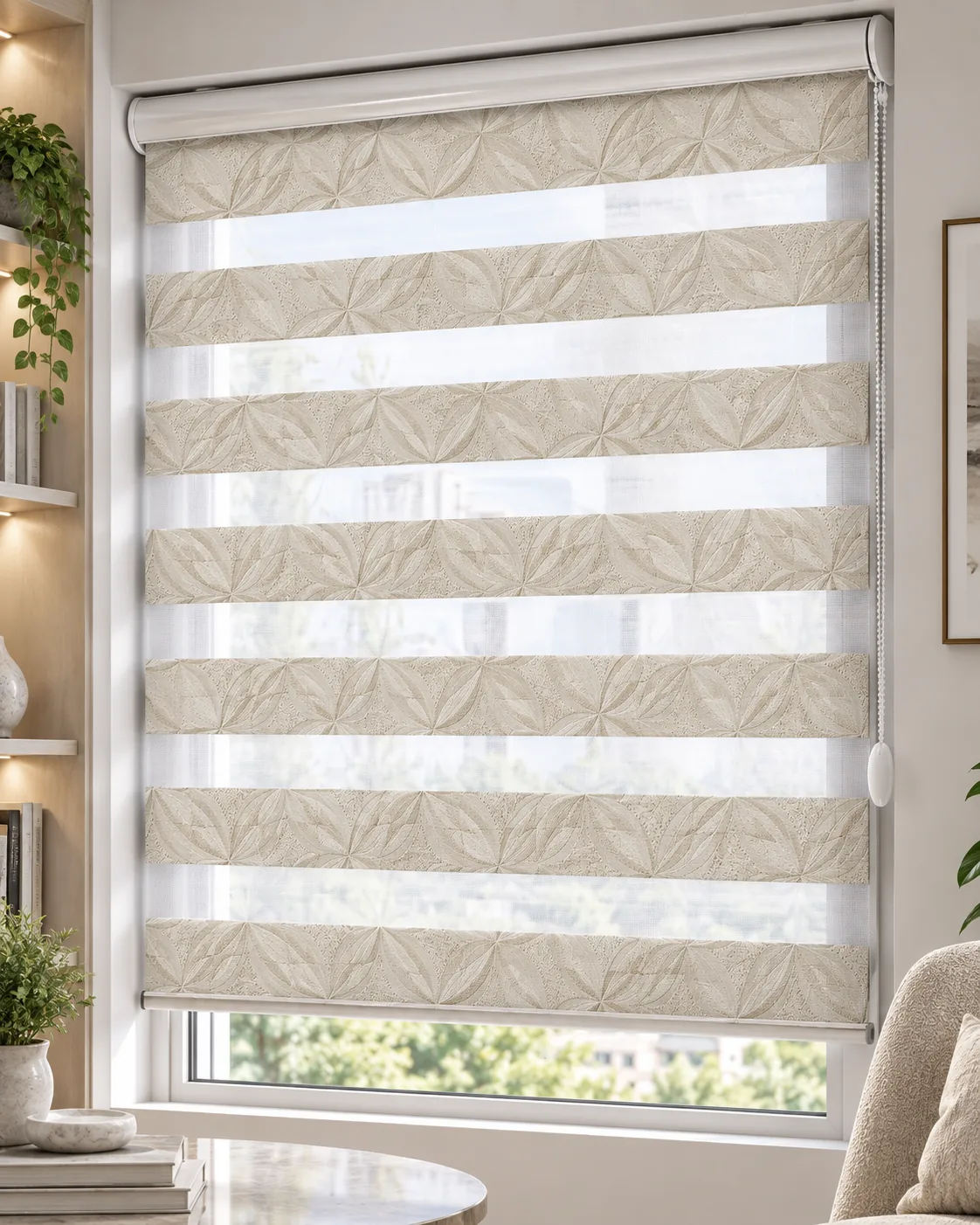
Mounting is not an aesthetic choice. It is the difference between a dim room and a dark one.
Every blind quote asks the same first question — inside or outside mount — and most buyers answer it by looks. Wrong order. Mounting decides how light behaves around the fabric, and light is the reason most blinds were bought in the first place.
Inside mount: the neat default
The blind sits inside the window recess, flush with the frame. It looks built-in, keeps curtains free, and hugs the glass closely. What it does not do is cover the recess edges — expect a few millimetres of light at the sides, more if the recess is out of square (Indian recesses often are).
Outside mount: the dark-room choice
The blind fixes to the wall or lintel and overlaps the opening — typically 3 inches each side and 4 inches above — so the fabric covers the leak points instead of lining them. Every "the blackout did not work" bedroom ends up here. Outside-mount hardware is added at configuration and shown in the price.
How to choose in thirty seconds
- Bedroom facing a streetlight? Outside mount, overlap, then fabric — in that order
- Recess shallower than about 2 inches? Outside mount is the only mount
- Curtains already planned? Inside mount keeps the window dressable; outside mount and heavy curtains can crowd each other — talk to us about stack sides
- Just glare and privacy, no darkness goal? Inside mount, done
What each costs
Inside mount uses the blind's standard brackets — nothing extra. Outside mount adds the mounting hardware, a modest line item chosen live in the configurator on the roller and zebra pages. The blind itself prices identically: roller from ₹100/sq ft, zebra ₹120–₹190, GST included, 10 sq ft minimum — see the 2026 price guide.
Measuring for either mount is five minutes with the guide or the AR tool; if the recess is odd, photograph it and send it across — Delhi NCR homes also get a free site measurement on request.
Not sure of your sizes?
Read our measuring guide or try the AR self-measure tool to get exact numbers.