
Buying Guides
Can Blinds Lower Your AC Bill? What Actually Saves Energy
The cheapest unit of cooling is the heat that never came through the glass.
In Indian summers, air conditioners run for hours, and electricity bills climb with them. A big part of the heat your AC fights comes through windows — sunlight passing through glass and warming floors, furniture and walls. Blinds can reduce that heat gain. But not all blinds help equally, and some claims are exaggerated. Here is the honest picture.
How heat comes through windows
Sunlight passes through glass and is absorbed by surfaces inside the room, which then radiate heat. That heat is trapped indoors. The most effective way to stop it is to intercept sunlight before it reaches the room’s surfaces — ideally by reflecting it back out through the glass.
What makes a blind energy-efficient
1. A reflective outer face
A white, light-coloured or metallised back facing the glass reflects much of the incoming sunlight. Dark backs absorb heat and warm the air between blind and glass, which then spreads into the room.
2. Fabric density
Blackout and dim-out fabrics block more radiation than sheer or light-filtering fabrics. Sunscreen fabrics with low openness (1–3%) also cut a meaningful share of heat while keeping the view.
3. Fit
Gaps at the sides and bottom let sunlight and warm air around the blind. A well-fitted blind that reaches the sill traps a still layer of air that slows heat transfer.
4. Timing
Lowering the blind before the sun hits the window is far more effective than lowering it after the room is already hot.
Which blinds work best?
- Blackout roller with reflective back: the strongest heat reduction for bedrooms and unused rooms.
- Low-openness sunscreen roller: good heat and glare reduction while keeping daylight and a view.
- Honeycomb (cellular) blinds: trap air in cells — good insulation, premium price. See honeycomb blinds in India.
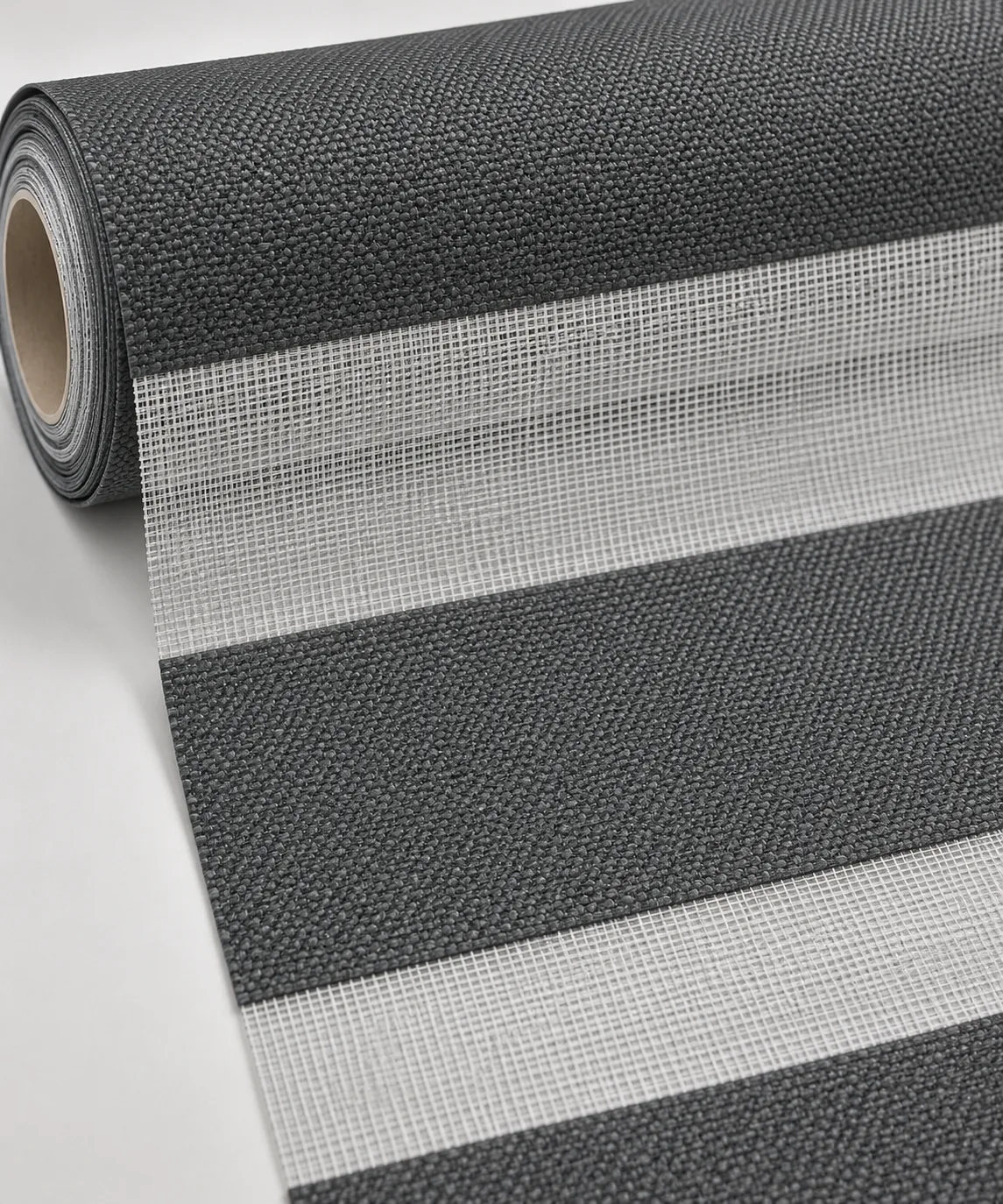
- Zebra blinds: moderate benefit when the solid bands are closed.
Realistic expectations
Blinds do not replace insulation or efficient air conditioners. The benefit depends on the window size, direction, glass type and how consistently the blinds are used. Rooms with large west- or south-facing glass benefit most. Rooms with small windows or north light see little change. Treat blinds as one part of keeping a home cool — alongside shading, ventilation and sensible AC settings.
A cooling routine that works
- Identify which windows get direct sun and when.
- Lower blinds on east windows in the morning and west windows from early afternoon.
- Keep blinds down in rooms you are not using during the day.
- Open blinds and windows after sunset if outdoor air is cooler.
Motorised blinds with a sun schedule do this automatically — read smart blinds and sun schedules.
Other benefits that add up
- Less UV damage: sofas, floors and curtains fade more slowly.
- More comfortable rooms: no hot spots near windows.
- Winter warmth: the same blinds help hold heat in on winter nights.
What to ask when buying
- What colour is the side facing the glass?
- Is the fabric blackout, dim-out or sunscreen, and what openness?
- Will it be inside or outside mounted, and how much overlap?
Cost
Made-to-measure roller blinds run ₹100–₹250 per sq ft (most ₹100–₹130) and zebra blinds ₹120–₹190, GST included, with a 3-year warranty. Prioritise the windows that get direct sun — usually west and south — if you are on a budget.
FAQs
Do dark blinds make a room hotter?
A dark side facing the glass absorbs more heat. Choose a light or reflective back and any colour you like facing the room.
Are blinds or curtains better for saving energy?
Well-fitted blinds close to the glass are very effective; heavy lined curtains help too. Together, they work best. See blinds vs curtains.
Not sure of your sizes?
Read our measuring guide or try the AR self-measure tool to get exact numbers.