
Room Guides
Blinds for Elderly Parents: Easy Controls, Safe Rooms, Better Sleep
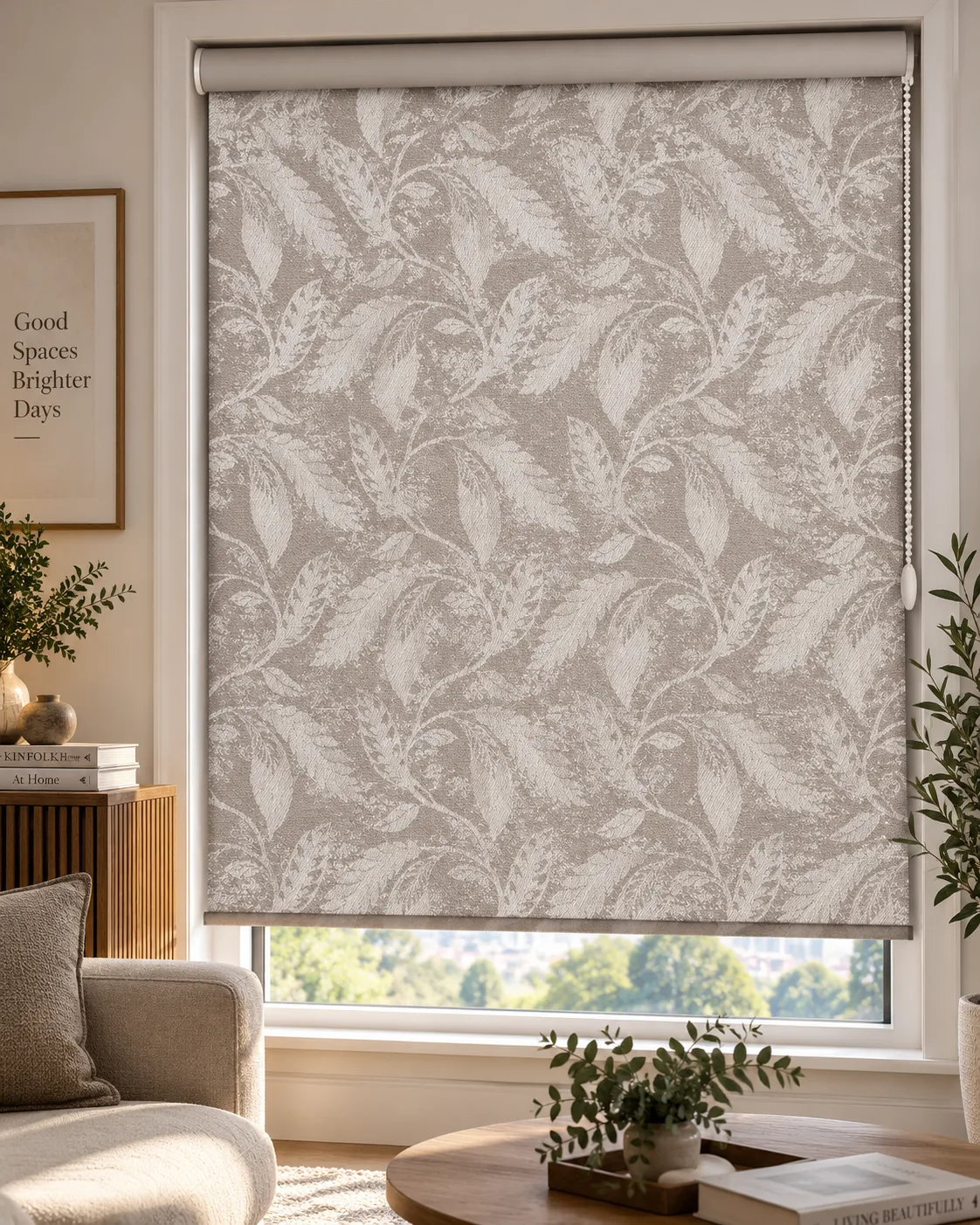
A blind should never be the reason someone climbs on a stool.
In many Indian homes, parents and grandparents live with the family or visit for long stays. As we age, small daily tasks — pulling a stiff chain, reaching a high window, dealing with glare — become harder and sometimes unsafe. The right blinds make an older person’s room more comfortable and more independent.
What older family members need from a blind
- Effortless operation: no heavy pulling, no fiddly cords.
- No reaching or climbing: controls within easy reach from a standing or seated position.
- Glare control: ageing eyes are more sensitive to bright light and glare.
- Good sleep: older adults often sleep lighter and wake with early light.
- Safety: nothing to trip on, nothing to catch.
Motorised blinds are the biggest upgrade
A motorised blind with a simple remote is the single most useful change for an elderly person’s room. One large button raises or lowers the blind — no pulling, no reaching. Many remotes can be wall-mounted near the bed or the door. Schedules can open the blind gently in the morning and close it in the evening without anyone remembering. Motorisation adds roughly ₹3,000–₹6,500 per window. Read the motorised blinds guide.
If you prefer manual blinds
- Choose a roller blind with a smooth, well-balanced clutch that needs little force.
- Ask for the chain on the side most convenient for the person — near the bed or chair.
- Keep the chain long enough to reach without stretching.
- Fix a tensioner so the chain does not swing or tangle.
Our comparison of chain, cordless and motorised controls explains the differences.
Managing glare for ageing eyes
Older eyes take longer to adjust between bright and dim, and glare from windows can make reading, watching TV or walking across a room uncomfortable. A sunscreen or light-filtering roller blind evens out the light without making the room dark. Avoid stark white fabric on sunny windows — mid-tone fabrics reduce brightness more comfortably.
Better sleep
Many older adults sleep lightly and wake at first light, especially in east-facing rooms. A blackout roller fitted with good overlap keeps the room dark until they are ready. If they prefer some morning light, a dual setup or a motorised schedule that opens partly works well. See blinds for east-facing bedrooms.
Safety around the room
- Never require a stool or chair to reach a blind — motorise high windows.
- Keep cords and chains secured so they cannot catch on walking sticks or wheelchairs.
- Keep the area below windows clear so the person does not lean over furniture to operate a blind.
- Choose blinds that stop at a set height and do not drop suddenly.
Zebra blinds for daytime comfort
For a sitting room where an elderly parent spends the day, a zebra blind lets them soften light without raising or lowering the whole blind. With a motor, one button shifts between sheer and solid bands.
Colours and contrast
Calm, warm colours make rooms feel comfortable. Some contrast between the blind and the wall helps people with weaker eyesight see where the window is. Avoid very busy patterns.
Cost for a typical parents’ room
A 5×5 ft window (25 sq ft) with a standard roller costs roughly ₹2,500–₹3,250, blackout fabrics a little more, and a motor adds ₹3,000–₹6,500. Prices include GST, with a 3-year warranty on fabric, mechanism and motor.
A quick checklist
- Can the blind be operated without stretching or climbing?
- Is the control on the convenient side?
- Does the fabric reduce glare without darkening the room too much?
- Is the room dark enough for sleep?
- Are all cords secured?
FAQs
Are remotes difficult for elderly people?
Simple one-channel remotes with clear up and down buttons are easy for most people. Wall-mounted switches are another option.
Can motorised blinds work without Wi-Fi?
Yes. The remote works directly with the motor; Wi-Fi is only needed for app or voice control.
Not sure of your sizes?
Read our measuring guide or try the AR self-measure tool to get exact numbers.