
Buying Guides
Cheap vs Expensive Blinds: What Actually Changes With the Price
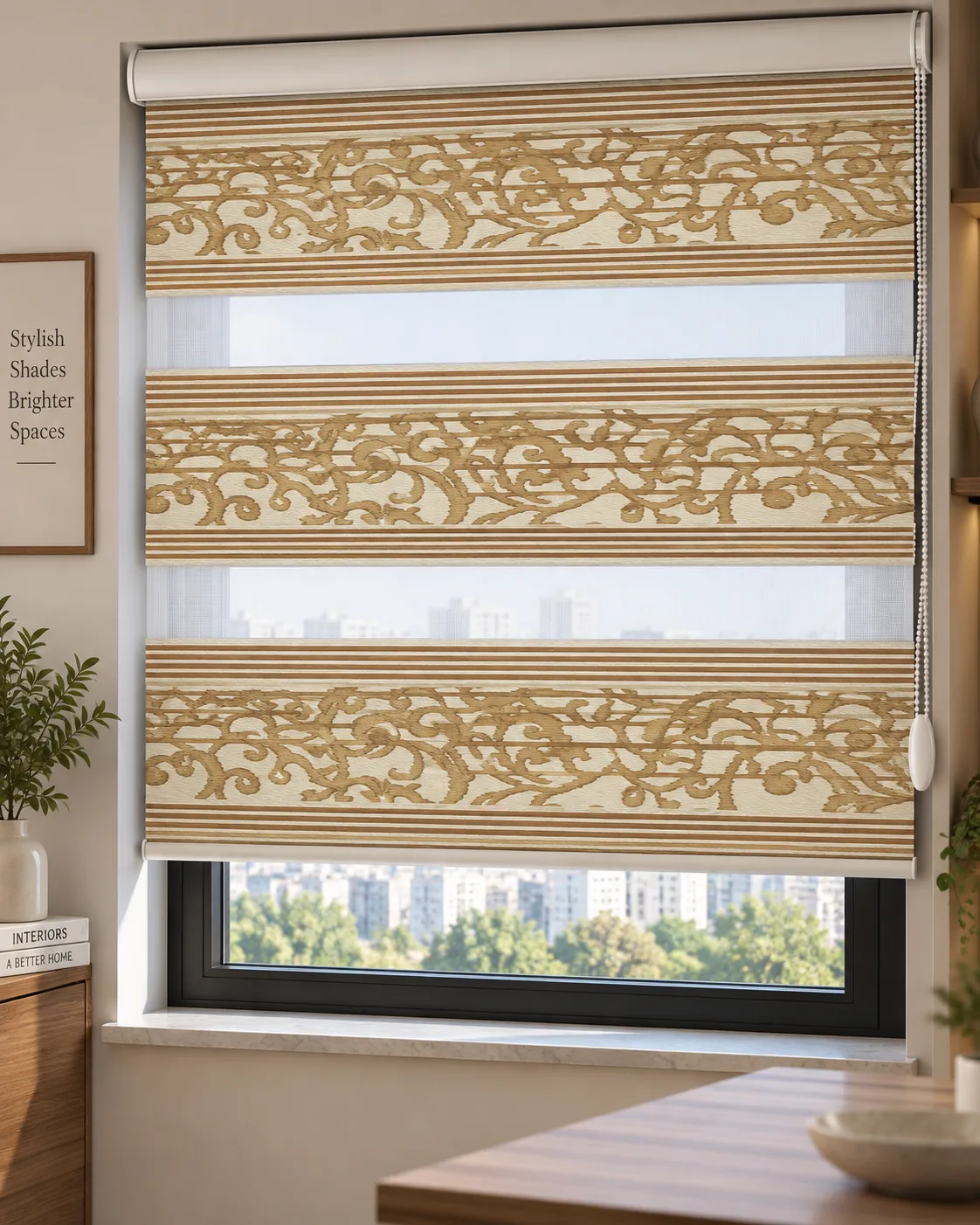
You are not paying for the fabric you see on day one. You are paying for how it looks in year three.
Blinds prices in India range from a few hundred rupees for a ready-made roll on a marketplace to many thousands for a premium made-to-measure blind. Online photos make them look the same. So what actually changes as the price goes up — and when is the cheaper option perfectly fine?
1. Fabric quality
This is the biggest difference. Better fabrics are denser, more evenly woven and treated against dust, fading and moisture. Cheaper fabrics may look fine on day one but:
- fade unevenly in strong Indian sun,
- curl or wave at the edges,
- show pinholes of light in "blackout" versions,
- stain easily and are hard to clean.
Our roller fabric guide explains opacity and durability in detail.
2. Coatings and backing
Good blackout fabrics have multiple coating layers so they stay truly dark and flexible. A light-coloured back reflects heat — useful in Delhi summers. Cheap coatings crack or peel after a couple of seasons.
3. The tube, bottom bar and brackets
A thin tube on a wide blind sags in the middle, causing a wavy, uneven fabric. Quality blinds use a tube sized for the width, a weighted bottom bar to keep fabric straight, and sturdy metal brackets. These parts are invisible in photos but decide whether the blind still rolls straight in year three.
4. The mechanism
The clutch and chain take daily wear. Better mechanisms run smoothly, hold position without slipping and do not snap. Motorised options vary even more — reliable motors, good remotes and proper limit settings cost more than unbranded kits.
5. Made to measure vs ready-made
Ready-made blinds come in fixed sizes. If your window is 4 ft 7 in wide, you either get gaps or a blind that overlaps awkwardly. Made-to-measure blinds are cut to the exact window, which matters for light gaps, appearance and how well the blind sits. Read why made-to-measure beats ready-cut.
6. Measurement and installation
Cheaper options usually leave measuring and fitting to you. A mistake of 1 cm can make an inside-mount blind unusable. Professional measurement and installation by a trained team removes that risk.
7. Warranty and after-sales
A low price often comes with no warranty or a vague promise. A proper warranty — ours is 3 years on fabric, mechanism and motor — tells you the seller expects the blind to last.
Where saving is perfectly safe
- Small, low-use windows like a storeroom or utility area.
- Standard fabrics instead of premium designer collections — performance is often similar.
- Manual chain instead of motorisation on easy-to-reach windows.
- Roller instead of zebra where you do not need adjustable light.
Where spending more pays off
- Bedroom blackout — darkness quality depends on fabric and fit.
- Large windows — need stronger tubes and better mechanisms.
- West-facing rooms — heat and UV resistance matter.
- Kitchens — easy-clean, moisture-resistant fabric.
What sensible pricing looks like
At BlindsBazaar, made-to-measure roller blinds run ₹100–₹250 per sq ft with most fabrics ₹100–₹130, and zebra blinds ₹120–₹190, GST included. The range reflects fabric, not hidden extras. See the full price guide.
Quick checklist when comparing
- Ask for the fabric name and whether it is treated against dust and fading.
- Ask what tube size is used for wide blinds.
- Check warranty length in writing.
The right blind is the one that still works well in three years at a fair price.
FAQs
Are marketplace ready-made blinds worth it?
For a temporary or rented space with a window that matches a stock size, they can be. For permanent use, made-to-measure lasts and fits far better.
Does a higher price always mean better?
No. Designer prints and brand premiums raise prices without improving performance. Compare fabric specs and warranty, not just price.
Not sure of your sizes?
Read our measuring guide or try the AR self-measure tool to get exact numbers.