
Buying Guides
Best Blinds for Indian Homes (2026): Heat, Dust, Monsoon
The best blind is the one that still works on the 45th day over 40 degrees.
"Best" means something different at every window. In Delhi NCR the honest shortlist is short — a handful of fabrics genuinely handle a 45 °C summer, dust that films every surface, and monsoon damp, all while looking like someone chose them on purpose. This is the framework we use across the counter every day.
Start with the window, not the trend
- Sun-facing (west and south): heat rejection comes first. A sunscreen or dim-out roller blind keeps the room usable through the afternoon without turning it into a cave.
- Street-facing bedrooms: blackout fabric plus outside-mount overlap. The light that wakes you up leaks around the edges, not through the cloth — fabric alone cannot fix a side gap.
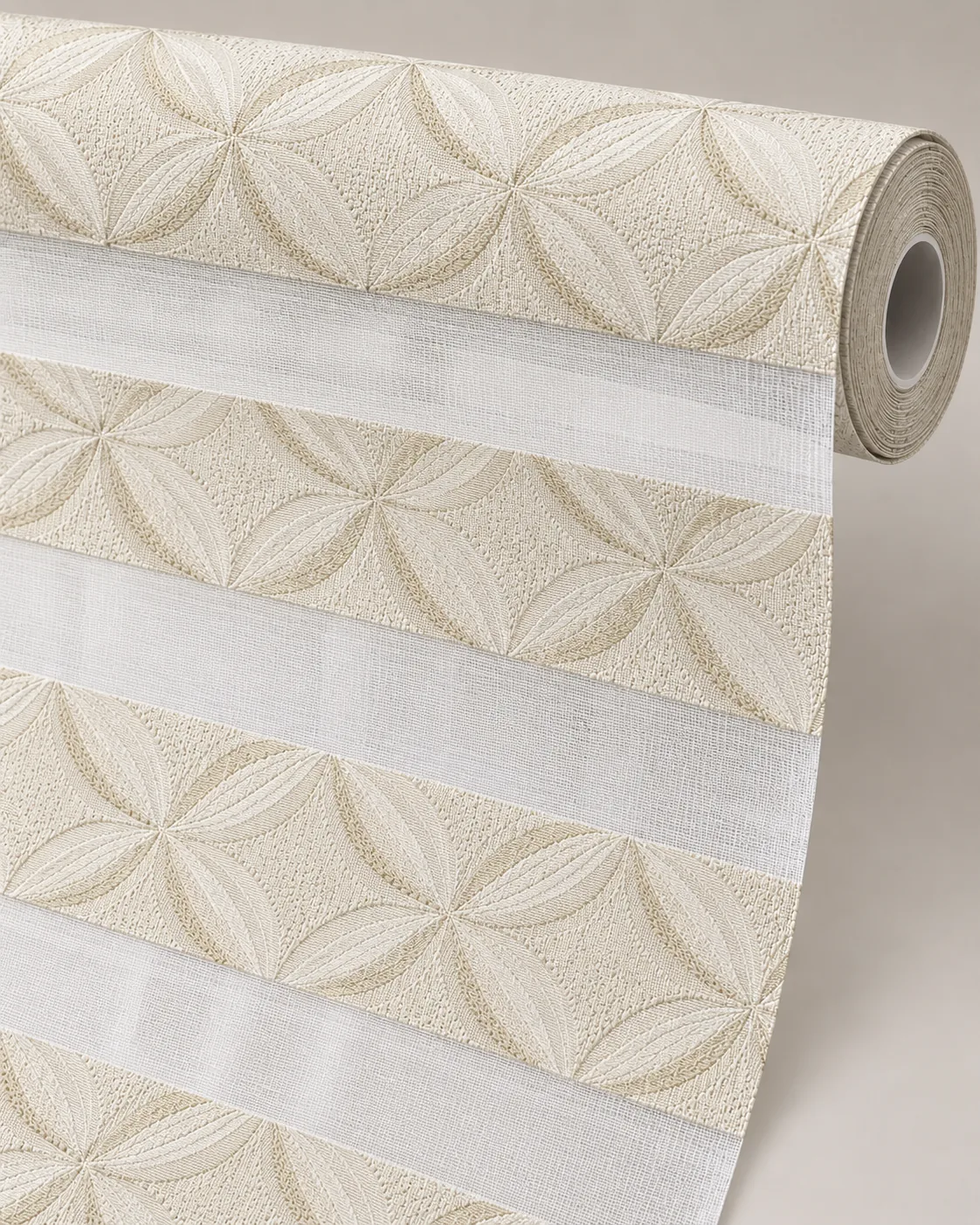
- Living rooms with a view: zebra blinds give day-and-night control from one pull — sheer bands for daylight, density for evening privacy.
- Kitchens: woven roller fabric wipes clean; deep-textured weaves collect cooking film. Keep the fabric tight and light.
- Balconies: treat the parapet width as one window, not three — fewer joins mean fewer gaps when the dust storm arrives.
Opacities, in plain words
- Light-filtering: glow without glare — living rooms, studies
- Sunscreen: cuts heat before it becomes heat; fine view through — sun-facing rooms
- Dim-out: soft daylight, strong privacy — bedrooms used in the evening
- Blackout: proper darkness — bedrooms, media rooms, night-shift sleepers
One window rarely needs the most extreme fabric; match the opacity to the room and the other windows keep their light. Exact rate differences are laid out in the 2026 price guide.
Roller vs zebra — which one is "best" for you
- Roller: the widest fabric choice, the lowest starting rate, the quietest look. Best for bedrooms, kitchens and any window where one clean surface is the point.
- Zebra: two fabric densities in alternating bands. Best where a room is used all day — living rooms and balconies — or where you want privacy on demand without losing daylight.
- Both together: sun-facing bedroom = zebra through the day, blackout roller for sleep. Many complete homes end up here.
What the best blinds cost (2026)
Per square foot, GST included: roller blinds from ₹100 (most fabrics ₹100–₹130, premium collections to ₹250), zebra blinds ₹120–₹190. A standard 4×5 ft window runs about ₹2,000–₹2,600 in a standard roller fabric and ₹2,400–₹3,800 in zebra, before optional motorisation (roughly ₹3,000–₹6,500 per window). Every blind bills a 10 sq ft minimum, so small windows stay sensible. Full tables: blinds price in India.
Measure once, fit once
Indian windows rarely match any chart — measure each one and write width × height. Use the AR self-measure tool or the measuring guide, or book a free site measurement across Delhi NCR; our own team installs everything, and every order carries a 3-year warranty on fabric, mechanism and motor.
The shortlist, if you only read one line
Own bedroom, sun-facing: blackout or dim-out roller. Living room: zebra or dim-out roller. Kitchen: light-filtering roller. Balcony: zebra across the full width. Price your actual windows on the roller and zebra pages — the configurator shows the exact rate before you buy a thing.
Not sure of your sizes?
Read our measuring guide or try the AR self-measure tool to get exact numbers.