
Explainers
Bamboo and Chick Blinds: Natural Shades Explained for Indian Homes
Chick blinds were India’s original sun control — the question is where they still make sense.
Long before roller blinds arrived, Indian homes used chicks — screens of thin bamboo, reed or cane strips tied together and rolled with a cord. You still see them on verandas, shop fronts and old bungalows. They look beautiful and natural, but are they right for a modern flat? Here is a clear guide.
What are bamboo and chick blinds?
A chick blind is made of thin horizontal strips — bamboo slivers, reed, cane or split bamboo — woven with thread. Bamboo blinds are the finer, flatter version, often with a fabric backing. Both roll up from the bottom using a cord and pulley.
What they do well
- Natural look: warm, textured, ideal for rustic, boho or traditional interiors.
- Air flow: gaps between strips let breeze through, which is why they were used on verandas in summer.
- Dappled light: they break harsh sun into soft patterns.
- Outdoor use: chicks were designed for semi-outdoor spaces.
Where they struggle
- Privacy at night: light inside makes the room visible through the gaps.
- Darkness: they cannot block light fully — not suitable for bedrooms that need sleep darkness.
- Dust: every strip and gap collects dust, and they are hard to wash.
- Monsoon: natural materials can absorb moisture, grow mould and warp unless treated.
- Insects: untreated bamboo can attract pests over time.
- Cord safety: traditional cord-and-pulley systems leave loose loops.
Bamboo vs chick vs PVC chick
Natural bamboo looks the best but needs the most care. PVC "chick" blinds imitate the look in plastic strips — cheaper, washable and weatherproof, but less refined. For a covered balcony that gets rain, PVC holds up better. Read more in our PVC blinds guide.
Modern alternatives with a natural feel
If you love the texture but need privacy, cleaning ease or darkness, consider:
- Textured roller fabrics with a jute or linen look — the warmth of natural materials in a flat, wipeable fabric. Browse roller blinds.
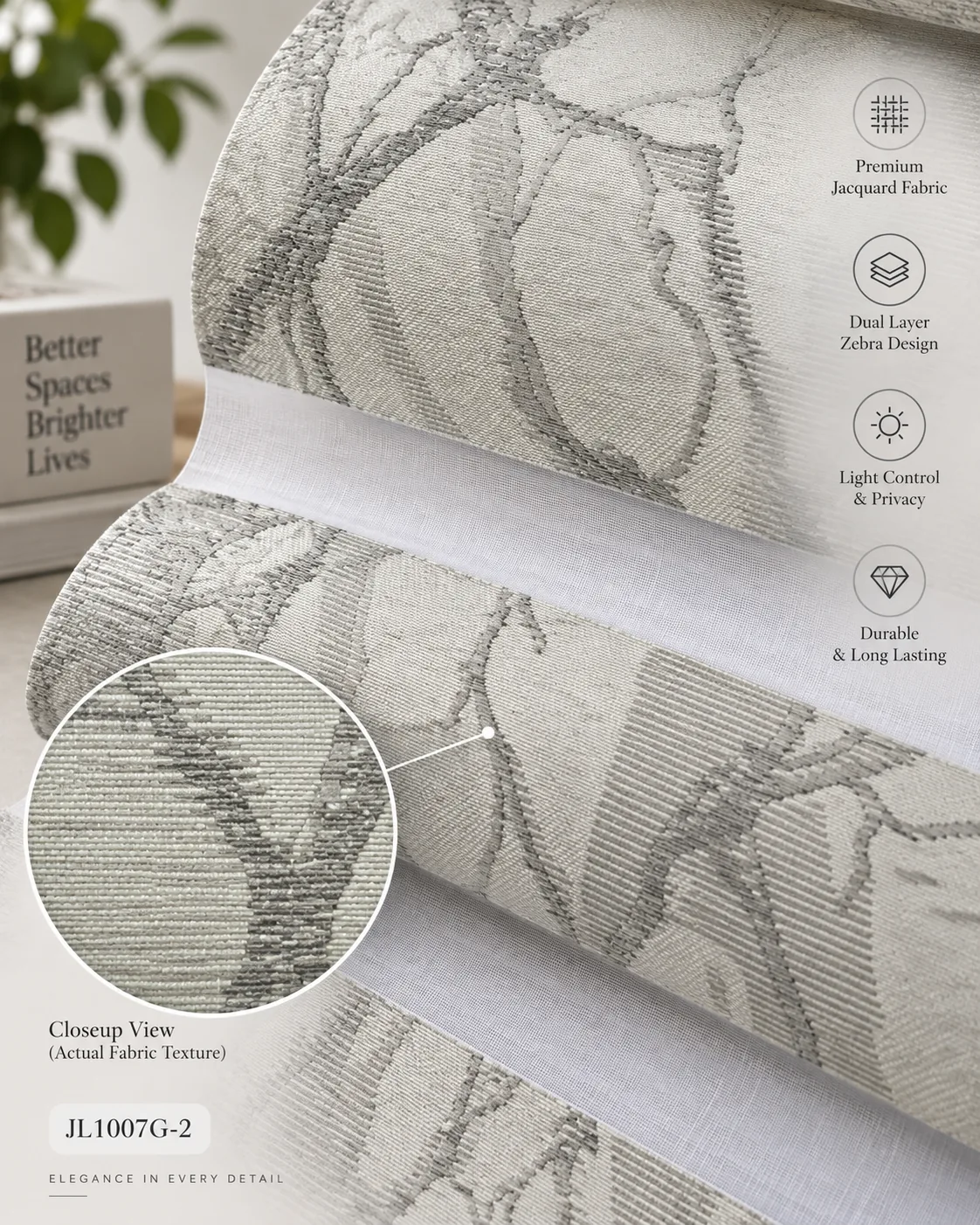
- Zebra blinds in earthy tones — beige, oatmeal or wood-brown bands give a layered, natural feel with adjustable light. See zebra blinds.
- Sunscreen roller blinds outdoors-adjacent — for balconies where you want shade and view.
Where bamboo still makes sense
- Covered verandas and sit-outs in independent houses
- Farmhouses and weekend homes with a rustic theme
- Cafés and restaurants going for a natural look
- As a decorative layer over a functional roller blind
Care tips if you choose bamboo
- Dust weekly with a soft brush or vacuum brush.
- Keep away from direct rain; roll up during monsoon storms.
- Choose treated or lacquered bamboo to resist moisture and pests.
- Dry thoroughly if it gets damp.
Cost perspective
Natural bamboo blinds vary widely in price depending on weave and finish. If you want a made-to-measure fabric alternative with natural tones, roller blinds start at ₹100 per sq ft and zebra at ₹120, GST included, with a 3-year warranty. See the 2026 price guide.
Quick comparison
- Natural bamboo: best look, airflow, needs care in monsoon, no darkness.
- PVC chick: weatherproof and washable, budget-friendly, less refined.
- Textured fabric roller: natural feel, easy cleaning, choice of light-filtering or blackout.
Combining bamboo with a functional blind
If you love the look but need darkness or privacy, mount a slim blackout or dim-out roller inside the window recess and hang the bamboo blind outside as a decorative layer. You get natural texture by day and real privacy at night, and the bamboo is spared constant daily handling.
FAQs
Are bamboo blinds good for bedrooms?
Not on their own — they let light through. Pair them with a blackout roller if you love the look.
Do bamboo blinds work on balconies?
On covered balconies, yes, with care in the monsoon. For open, rain-exposed balconies, PVC or outdoor-grade fabric lasts longer. See balcony blinds.
Not sure of your sizes?
Read our measuring guide or try the AR self-measure tool to get exact numbers.