
Guides
Window Blind Size Chart: Standard Sizes vs Made-to-Measure
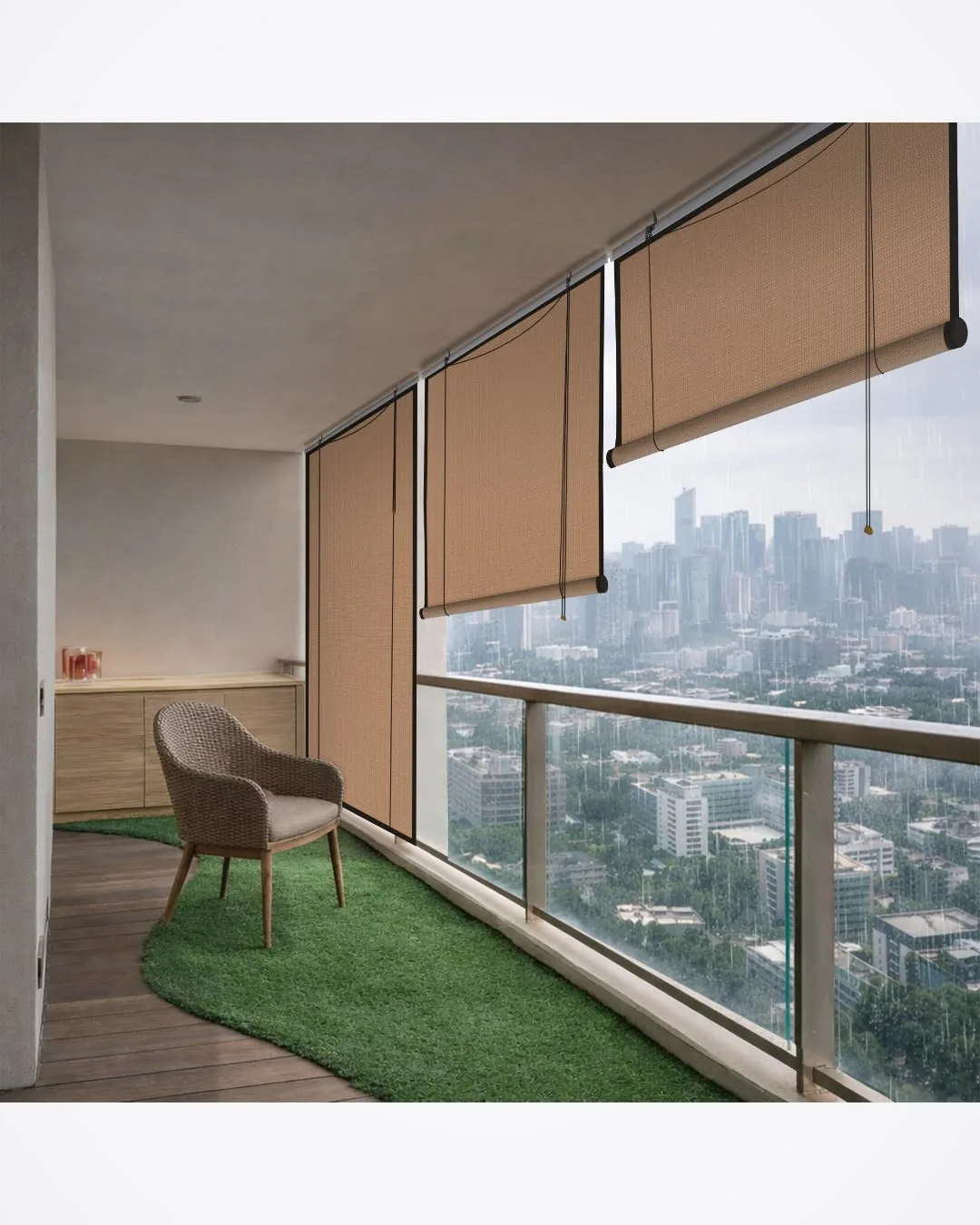
Windows come in whatever size the builder decided. Made-to-measure exists for exactly that reason.
Off-the-shelf blind charts assume standard window sizes. Indian apartments and independent homes rarely oblige — which is why made-to-measure blinds exist. Still, the chart is useful for knowing what is "normal", what is extreme, and what your measurements must include.
Common window widths and drops (indicative)
- Bedroom windows: 90–150 cm wide, 120–180 cm drop
- Living room windows: 150–240 cm wide, 150–210 cm drop
- Kitchen windows: 60–120 cm wide, 90–150 cm drop
- Bathroom vents: 45–75 cm wide, 60–120 cm drop
- Balcony / French doors: 150–240 cm wide, up to 240 cm drop
The numbers that actually matter
- Width × drop, in that order — mixing them up is the #1 ordering mistake
- Minimum drop: most blind types need a 45–60 cm drop to lift cleanly
- Maximum width: rollers, zebras and romans are reliable to about 240 cm before a second blind on one headrail makes more sense
- Billing minimum: pricing runs on billable area with a 10 sq ft minimum per window — small windows bill at the floor
Inside or outside — the measurement changes
Inside recess uses the smallest of three width and three drop measurements; outside mount adds 75 mm (3") overlap each side and above. The full method, including the tools and the traps, is in the measuring guide.
When the chart fails you
Arched tops, bay windows, sloped skylights, windows that end flush with a wall — none of these appear on any standard size chart, and they are exactly the jobs made-to-measure handles routinely. Skip the chart entirely and use the AR self-measure tool: it records real dimensions, and the quote comes back per window.
Not sure of your sizes?
Read our measuring guide or try the AR self-measure tool to get exact numbers.