
Summer, Interior Design, Home Decor
Curtains or Blinds: Which Should You Choose for Summer?
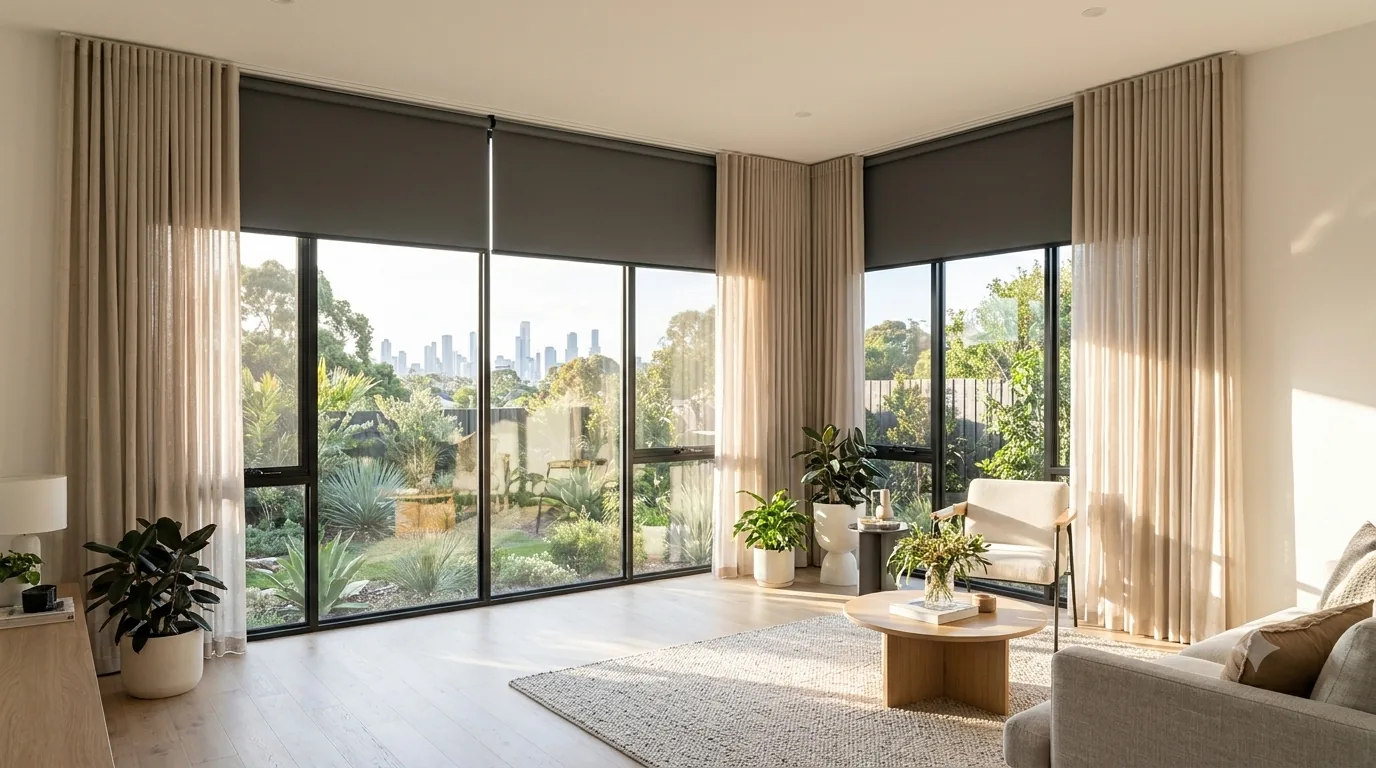
"Summer window performance isn't just about fabric selection—it's about matching window orientation with close-fitting coverage before the glass heats up."
A living room can feel beautifully lit in the morning and uncomfortably hot by late afternoon. The issue is rarely just "hot weather"; it is direct solar heat hitting specific windows, warming the glass, floors, and interior surfaces.
When deciding between curtains vs blinds for summer, the right choice depends on your window's orientation, room usage, and how much daylight you wish to retain. While a total blockout solution suits a shift-worker's bedroom, a home office often requires filtered light without severe screen glare.
Here are a few alternative, visually appealing ways to present the differences between curtains and blinds for summer, depending on your document or website layout:
Curtains
Pros:
High thermal performance with blockout linings.
Spans wide openings and sliding doors effortlessly on continuous tracks.
Adds soft texture and acoustic damping to the room.
Cons:
Takes up wall space when pulled open (stack-back).
Less granular control over daylight compared to slatted or dual blinds.
Blinds
Pros:
Minimalist footprint—ideal for compact or recessed windows.
Precise control over direct glare, sunlight, and daytime privacy.
Easy to clean and maintain in high-use areas.
Cons:
Covering large sliding doors often requires splitting into multiple individual blinds.
Standard roller blinds can leave small light gaps at the edges.
Sunscreen roller blinds preserve outward views.
According to Australian Government energy guidance, close-fitting lined curtains or blinds can significantly improve year-round climate control. Coverage matters: treatments that seal well around the window frame trap air far more effectively.
Why Windows Overheat in Summer
Sunlight passing through window glazing is absorbed by floorboards, furniture, and walls, which then radiate heat inside.
Internal Coverings: Curtains and blinds intercept heat and glare after solar energy hits the glass.
External Coverings: Awnings or outdoor blinds block direct solar rays before they strike the glazing.
To maximize performance, operate your window coverings proactively. Close blockout or sunscreen layers in the morning before direct sun heats up the glass, rather than waiting until the room is already uncomfortable.
When Are Curtains Better for Hot Weather?
Lined or blockout curtains excel at covering wide openings and large glass sliding doors.
Key Benefits:
Continuous Coverage: Curtains mounted higher than the window and returning toward the wall reduce light and heat leaks at the sides.
Thermal Layering: Full-length, lined drapes trap a static column of air against the pane, creating an insulating buffer.
Interior Softness: Curtains enhance room acoustics and bring a luxurious texture to bedrooms and formal living areas.
When Are Blinds Better for Hot Weather?
Blinds are ideal when spatial economy and tight glare control are required.
Sunscreen Roller Blinds: Cut harsh summer glare and reduce direct heat while maintaining your view outside during the day—perfect for home offices and living rooms.
Blockout Roller Blinds: Provide instant privacy and heavy light reduction for nurseries and bedrooms exposed to intense sunlight.
Honeycomb (Cellular) Blinds: Feature air-trapping hexagonal cells that offer superior insulation against summer heat gain.
How Window Orientation Impacts Your Choice
West-Facing Windows: Experience low-angle, intense late-afternoon sun. These windows benefit most from heavy blockout blinds, full-lined curtains, or external awnings.
North-Facing Windows: Receive higher-angle midday sun. Adjustable blinds or lined curtains allow you to block high summer sun while taking advantage of winter warmth later in the year.
East-Facing Windows: Get early morning sun. Blockout options in bedrooms prevent early daylight from disrupting sleep.
South-Facing Windows: Receive minimal direct sunlight. Focus on daylight filtering, night privacy, and aesthetics rather than heavy heat blocking.
Why Layering Curtains and Blinds Is the Ultimate Summer Solution
When a single treatment cannot meet all your heat control, privacy, and aesthetic needs, combining two treatments offers maximum versatility:
Sunscreen Blind + Lined Curtains: Lower the sunscreen blind during bright afternoons to block glare without losing light, then draw the curtains at night for privacy and warmth.
Blockout Blind + Sheer Curtains: Enjoy diffused daylight and modern style from the sheer curtains during the day, then drop the blockout blind when total darkness or thermal control is needed.
Frequently Asked Questions
Can sheer curtains keep a west-facing room cool on their own? No. While sheer curtains soften direct light and reduce glare, they lack the opacity and thermal lining needed to block severe heat on exposed west-facing windows. Combine them with a blockout blind or external shade for summer comfort.
Is professional measuring and installation necessary? For wide sliding doors, floor-to-ceiling drapery, double-layer combinations, or motorized tracks, professional measuring ensures correct recess depth, smooth operation, and minimal light gaps around the frame.
Final Decision
There is no single winner between curtains and blinds for summer. Lined curtains offer full coverage and superior thermal trapping, while blinds provide compact, precise daylight control. Assess each window by its direction and room purpose to choose the right fit.
Need expert guidance for your home? Contact Curtains Direct & Blinds today or visit our showroom for tailored recommendations, measuring, and professional installation!
Not sure of your sizes?
Read our measuring guide or try the AR self-measure tool to get exact numbers.