
Commercial Guides
Blinds for Clinics, Hospitals and Diagnostic Centres: Hygiene First
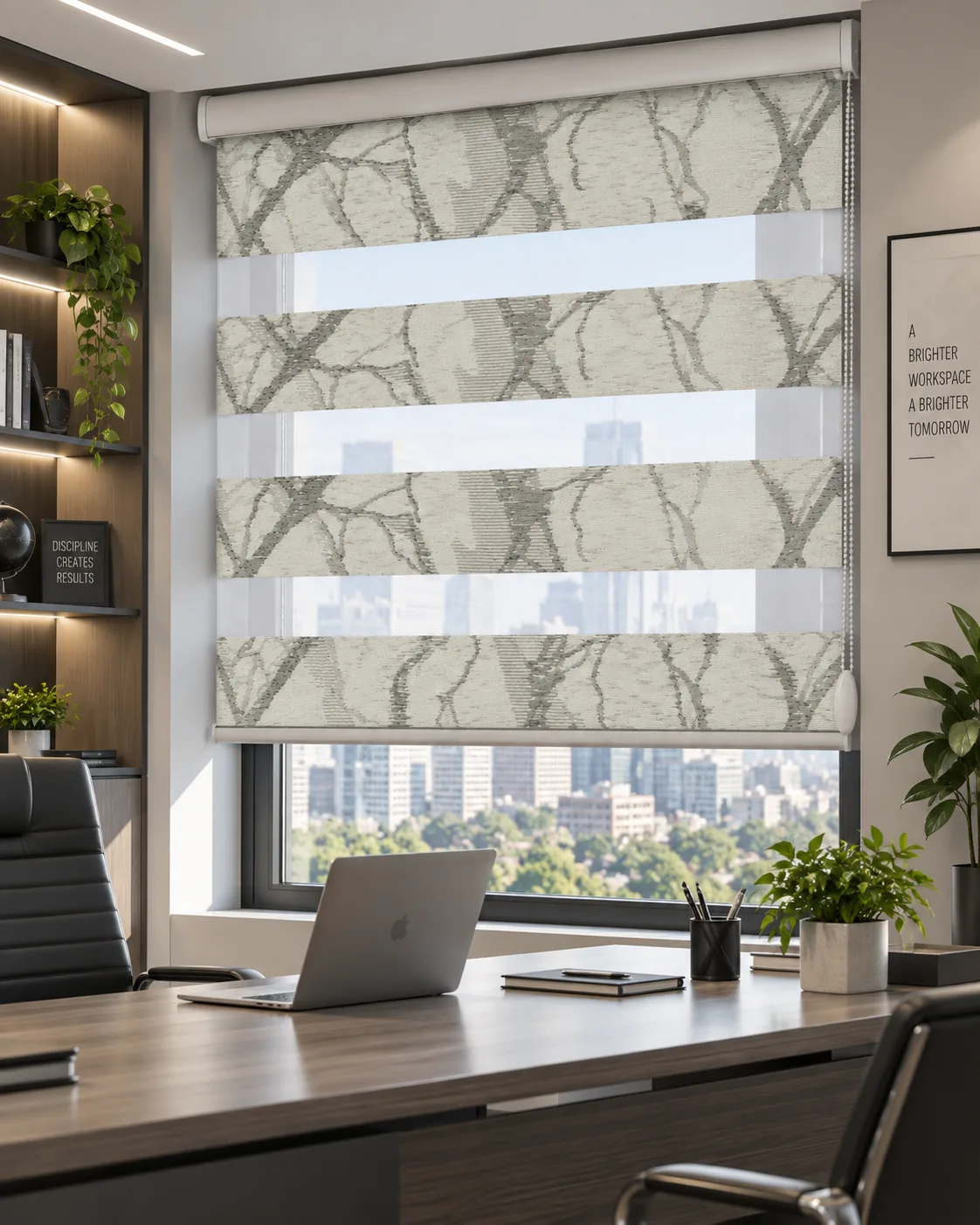
In a clinic, the window treatment is part of the hygiene plan.
Clinics, dental practices, diagnostic centres, hospitals and nursing homes have specific needs for window coverings. Blinds must be easy to clean and disinfect, protect patient privacy, control glare for medical screens and, in many buildings, meet fire-safety requirements. Here is a practical guide.
Hygiene: the first requirement
Surfaces in healthcare settings are cleaned frequently. Blinds should:
- Have smooth, non-porous surfaces that can be wiped.
- Tolerate the cleaning products used in the facility.
- Avoid deep textures and folds that trap dust and microbes.
- Avoid loose fabrics that move with air currents.
Antimicrobial fabrics
Some blind fabrics include antimicrobial treatments or additives designed to inhibit microbial growth on the fabric surface. They can support hygiene but do not replace regular cleaning. Ask suppliers for documentation of any antimicrobial claims.
Best blind types for healthcare
- Roller blinds in PVC-coated or smooth polyester — flat, wipeable, minimal parts.
- Aluminium venetians — wipeable but many slats to clean.
- Avoid: fabric verticals, roman blinds and heavy curtains in clinical areas.
Patient privacy
Consultation rooms, procedure rooms and wards need complete privacy, including at night when lights are on. Choose dim-out or blackout fabrics for these spaces. In waiting areas, light-filtering fabrics keep spaces bright and welcoming. Read sunscreen vs blackout vs dim-out.
Glare control for medical screens
X-ray viewers, monitors and computers need glare-free conditions. Sunscreen fabrics with low openness or blackout fabrics in imaging rooms help. Position screens perpendicular to windows where possible.
Fire safety
Hospitals and larger clinics often require flame-retardant window coverings. Check with your fire consultant and choose inherently FR fabrics where required. Read fire-retardant blinds.
Cord safety
In paediatric clinics, psychiatric facilities and patient rooms, loose cords are a hazard. Use motorised blinds, cordless systems or secured chain tensioners.
Cleaning routine
- Dust weekly with a microfibre cloth or vacuum.
- Wipe with a cloth dampened in the facility’s approved cleaner, following the fabric manufacturer’s guidance.
- Avoid soaking or harsh abrasives that damage coatings.
- Inspect monthly for damage or wear.
Small clinics and home clinics
Many doctors and physiotherapists run clinics from residential buildings. A smooth roller blind in a calm colour gives privacy, is easy to clean and looks professional. Dim-out fabric in consultation rooms ensures privacy at all times.
Healthcare window checklist
- Smooth, wipeable fabric compatible with facility cleaners.
- Privacy-level fabric in consultation and procedure rooms.
- Glare control near screens.
- FR certification where required.
- No accessible loose cords.
Colours for healthcare spaces
Calm, light colours — soft blue, light grey, warm white, pale green — create a reassuring environment. Avoid very dark fabrics that make rooms feel heavy.
Cost
Standard made-to-measure rollers at BlindsBazaar cost ₹100–₹250 per sq ft, GST included, with a 3-year warranty. Specialist FR or antimicrobial fabrics may cost more. For a clinic or healthcare project, share your requirements on our contact page.
FAQs
Are antimicrobial blinds necessary?
They can support hygiene, but regular cleaning with approved products matters most.
Which blinds are easiest to disinfect?
Smooth PVC-coated or polyester roller blinds with few parts.
Do clinics need blackout?
Consultation and imaging rooms often benefit from dim-out or blackout for privacy and screen clarity.
Not sure of your sizes?
Read our measuring guide or try the AR self-measure tool to get exact numbers.